

Quick answer: Bihari besan ki sabji (besan ki machhli) serves 4 and takes about an hour: cook gram flour into a firm sheet, cut it into pieces, fry them in mustard oil, then simmer in a garlicky onion-tomato-mustard gravy. It needs no vegetables, just pantry staples, and is best with plain steamed rice. Jump to the recipe.
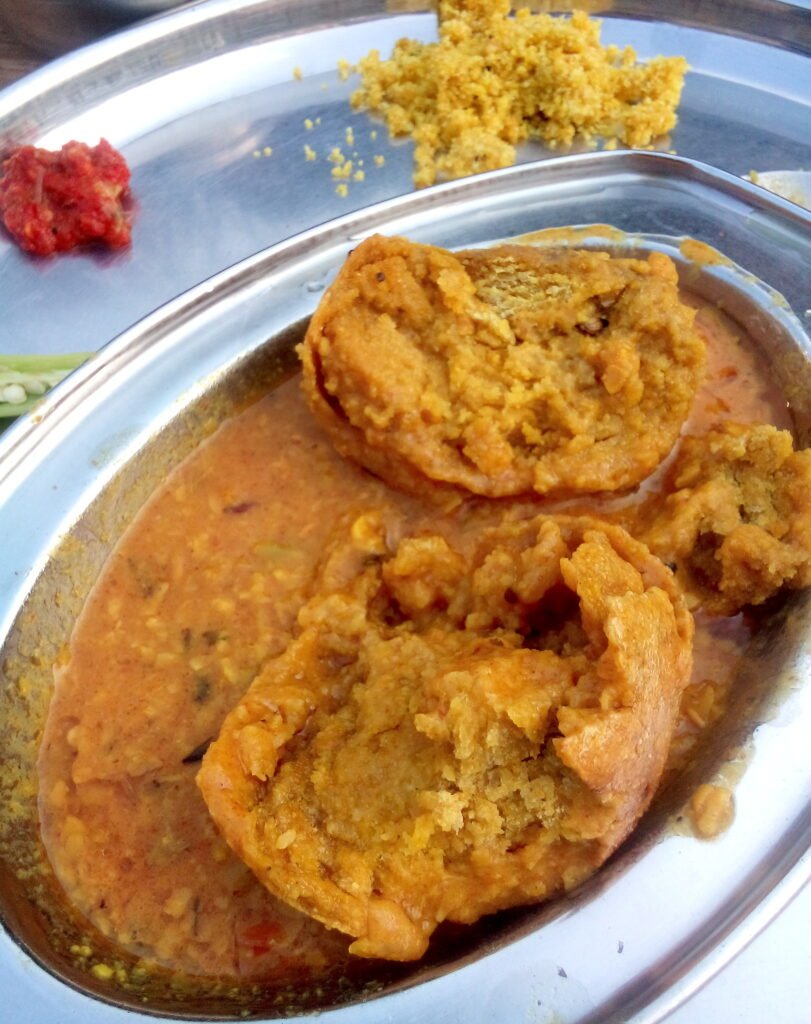
Bihari besan ki sabji is a curry with no vegetables in it at all. Gram flour is cooked into a firm sheet, cut into pieces and fried in mustard oil, then simmered in a garlicky gravy of onion, tomato and ground mustard. Because the fried pieces look a little like fish and the gravy is close to a Bihari fish curry, many families call it besan ki machhli. It goes best with plain steamed rice.
It’s a dish built for the days when the vegetable basket is empty. A cup of besan, a few spices and mustard oil from the pantry are all you need. If you grew up eating it and now live far from home, this is a simple way to bring that taste back to your own kitchen.
In this recipe
How Bihari besan ki sabji is different
If you know Rajasthani gatte ki sabzi, the idea will feel familiar: besan pieces cooked in a spiced gravy. The Bihari version changes three things.
- The pieces are set, not boiled. Gatte are rolled into logs and boiled. Here, a besan batter is stirred in a kadhai until it thickens, spread on a plate to set, then cut and fried.
- Mustard oil does the heavy lifting. It’s used for frying the pieces and for the gravy, and its sharp taste is a big part of the dish.
- The gravy is tomato-onion with mustard, not yogurt. A paste of mustard seeds, garlic, black pepper and cumin gives it the fish-curry taste that earns the dish its nickname.
The gravy is also kept thin. The besan pieces soak up liquid as they sit, so a curry that looks a little runny in the pan will be just right by the time it reaches the table.
Besan ki sabji ingredients explained: what each one does
The dish has two parts, the steamed besan pieces and the gravy, and most of the flavour comes from mustard oil and whole spices.
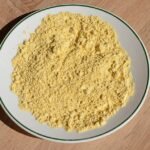
Besan (gram flour)The base of the pieces. Whisk it with water and spices into a smooth batter, then cook it until thick enough to set.

Mustard oilUsed for the pieces, the tempering and the gravy. Heat it until it just smokes, then let it cool slightly, to mellow its raw edge.
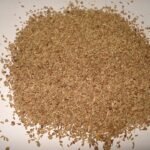
Ajwain (carom seeds)Goes into the besan batter and helps the pieces taste less heavy.
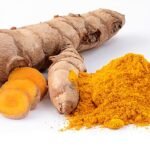
Turmeric (haldi)Used in both the batter and the gravy for colour and an earthy note.
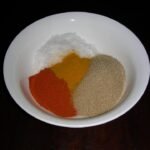
Red chilli powderAdds heat to the besan pieces.

Kashmiri red chilli powderGives the gravy a deep red colour without much extra heat.

Mustard seeds (rai)Ground with garlic, ginger and spices into the wet masala that gives the gravy its sharp Bihari taste.
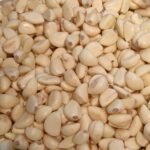
GarlicPart of the ground masala; it gives the gravy its punch.

GingerGround into the masala with the garlic and mustard seeds.

Black peppercornsGround into the masala for a warm, rounded heat.
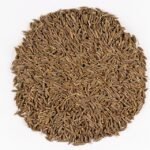
Cumin seeds (jeera)Ground into the masala; it adds an earthy depth.

Green chilliGround into the masala. Add more or less to taste.

Fenugreek seeds (methi)A pinch in the hot oil for the tempering. Don’t let them turn dark, or the gravy turns bitter.

Bay leaf (tej patta)Goes into the tempering for aroma.

Dried red chilliesFried in the tempering for a smoky heat.

OnionCooked until golden; it gives the gravy body and sweetness.

TomatoCooked down into the masala for tang.
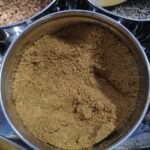
Coriander powderAdds body and a mild, citrusy warmth to the gravy.

Fresh corianderStirred in at the end for freshness.
Bihari besan ki sabji recipe
This serves three to four people with rice. Make the besan pieces first and let them set while you grind the masala and chop the onion.

Bihari Besan Ki Sabji (Besan Ki Machhli)
Ingredients
Method
- Whisk the besan with turmeric, red chilli powder, ajwain and salt. Add a little of the water to make a smooth paste, then whisk in the rest until there are no lumps.
- Heat 1 tsp mustard oil in a kadhai on medium-low heat. Pour in the batter and stir without stopping. In 8 to 10 minutes it will thicken, come away from the sides and hold its shape on a spoon.
- Spread it on a greased plate about 1 cm thick and smooth the top. Leave it for 15 minutes to set, then cut into diamonds or squares.
- Heat 3 to 4 tbsp mustard oil in a pan and shallow-fry the pieces until light golden on both sides. Lift them out and keep aside.
- Grind the mustard seeds, garlic, ginger, peppercorns, cumin and green chilli with a few spoons of water to a smooth paste. Grind in short bursts so the mustard doesn’t turn bitter.
- Heat 3 tbsp mustard oil until it just starts to smoke, then turn the heat to low and let it cool for a minute.
- Add the fenugreek seeds, bay leaf and dry red chillies. When the fenugreek darkens slightly, add the onion and cook until soft and light brown.
- Add the masala paste and cook on low heat for 3 to 4 minutes, stirring, until it smells cooked and the oil starts to separate.
- Stir in the turmeric, coriander powder and Kashmiri chilli powder, then the tomato and salt. Cook until the tomato is soft.
- Pour in the hot water and bring to a boil. Simmer for 5 minutes.
- Add the fried besan pieces and simmer for 3 to 5 minutes more. Keep the gravy thin, as the pieces soak up liquid. Finish with coriander and serve hot with steamed rice.
Notes
Tips for soft pieces and a smooth gravy
Most problems with this dish come from the besan sheet or the mustard paste. Here’s what to watch for.
- Lumpy batter: whisk the besan with a little water into a paste first, then add the rest of the water slowly.
- Sheet won’t set: it needed more time in the kadhai. Keep stirring until the mixture leaves the sides and a spoonful holds its shape.
- Pieces turn hard: the sheet was spread too thin, or the pieces were fried too long. Aim for about 1 cm thick and fry only until light golden.
- Bitter gravy: mustard paste turns bitter if it’s ground for too long or fried on high heat. Grind it in short bursts, and cook it on a low flame.
- Raw smell from the oil: heat the mustard oil until it just starts to smoke, then let it cool for a minute before adding the spices.
What to serve with besan ki machhli
Plain steamed rice is the classic partner, since the thin gravy soaks right in. It also works with phulka or chapati if you make the gravy a little thicker. A simple aloo chokha or a raw onion and green chilli on the side keeps the meal very Bihari.
Storing and reheating
Leftovers keep in the fridge for a day or two in a covered box. The gravy thickens a lot overnight, so add a splash of hot water when you warm it up. If you want to cook ahead, fry the besan pieces earlier in the day and keep them separate, then make the gravy just before you eat.
Common questions about besan ki machhli
Why is it called besan ki machhli?
The fried besan pieces look a little like pieces of fried fish, and the gravy of mustard, garlic and black pepper is close to the way fish curry is made in Bihar. That is where the nickname comes from. The dish itself is fully vegetarian.
Can I steam the besan sheet instead of cooking it in a kadhai?
Yes. Pour the batter into a greased plate or tin and steam it until a knife pushed into the centre comes out clean, then cool, cut and fry the pieces as usual. Use a little less water in the batter so it sets firm.
Can I skip frying the besan pieces?
You can add the set pieces straight to the gravy. They will be softer and soak up more gravy, so add them at the very end and simmer gently for only a couple of minutes.
Why do the besan pieces break in the gravy?
Usually the batter was not cooked long enough before it was spread, so the sheet stayed soft. Cook it until it pulls away from the kadhai, let it set fully, and stir gently once the pieces are in the gravy.
Can I use another oil instead of mustard oil?
Any neutral cooking oil will work, but the taste will be milder. Mustard oil gives the sharp, pungent flavour that makes this dish taste like a Bihari fish curry.
Looking for more from Bihar’s kitchens? Try our thekua recipe, the jaggery-and-ghee biscuit made for Chhath. For more ways to cook well from a bare pantry, see our frugal cooking tips.
Featured image: AI-generated (Hostinger AI). Peppercorns in a stone mortar by GAUTHAM S.S on Pexels (source). Pexels License.
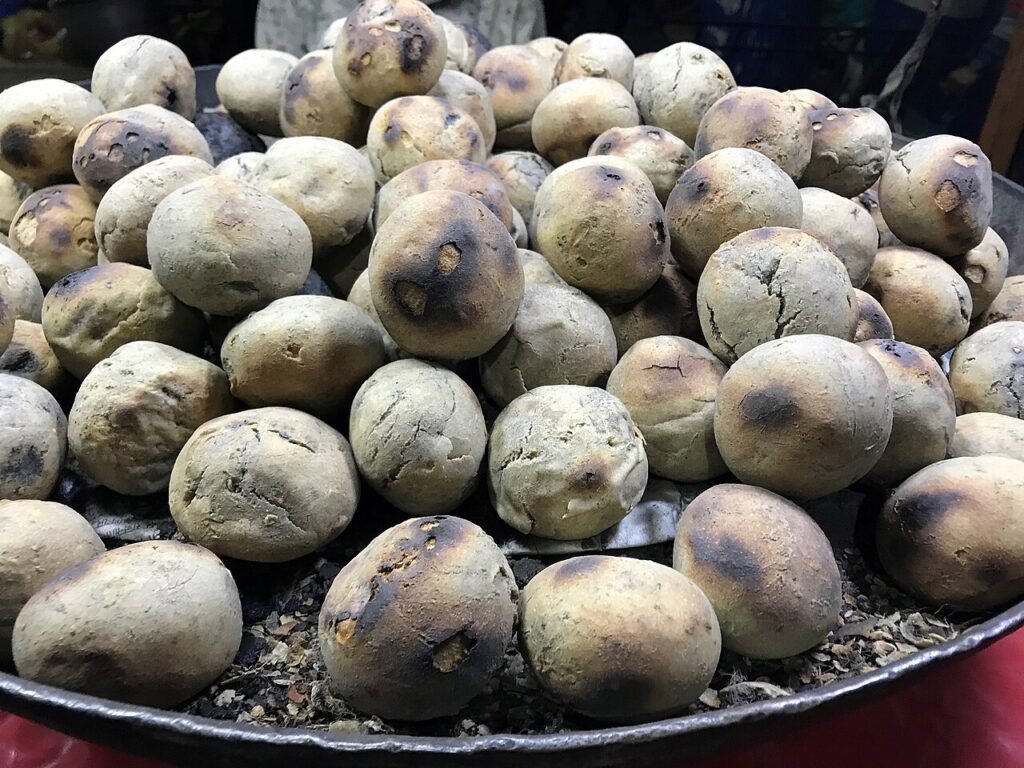

Pingback: Famous Food of Rajasthan: 13 Best Dishes, City by City
Pingback: Famous Food of Bihar: 12 Best Dishes Beyond Litti Chokha