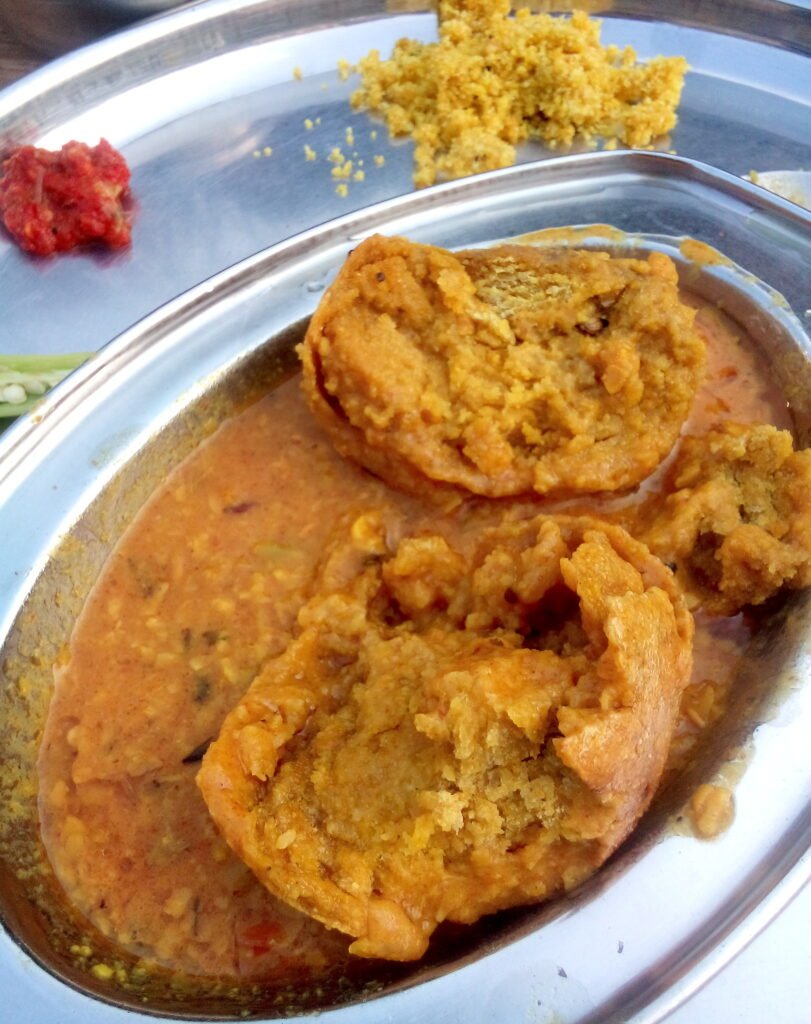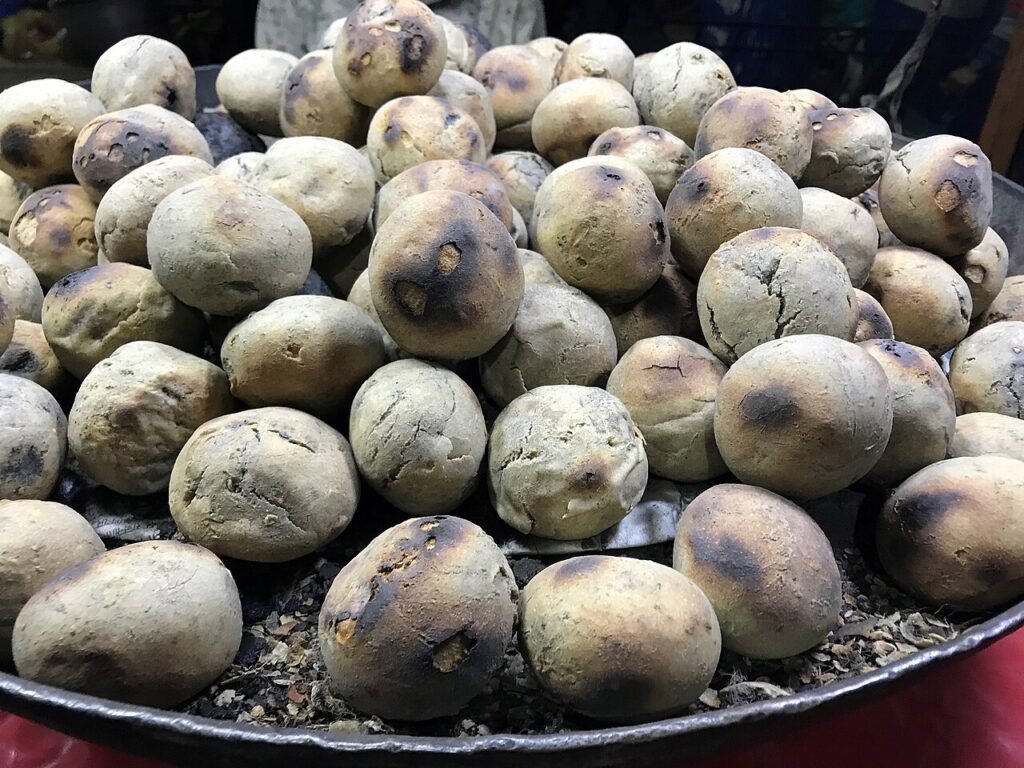
Quick answer: This litti chokha recipe makes 8 litti for 4 people in about 1½ hours, including 20 minutes of dough resting. Knead a soft atta dough, stuff it with a damp, spiced sattu filling, bake at 200°C for 30–40 minutes (or cook covered on a tawa), dip each litti in hot ghee and serve it with a mash of fire-roasted brinjal, tomato and potato. Difficulty: moderate. Jump to the recipe.
Homemade litti usually goes wrong in one of two ways, and most of this litti chokha recipe is about avoiding them. The sattu filling comes out dry and dusty, or the litti looks perfect outside while the dough just under the crust is still raw. Both are easy to avoid once you know what to check, and neither needs a coal fire.
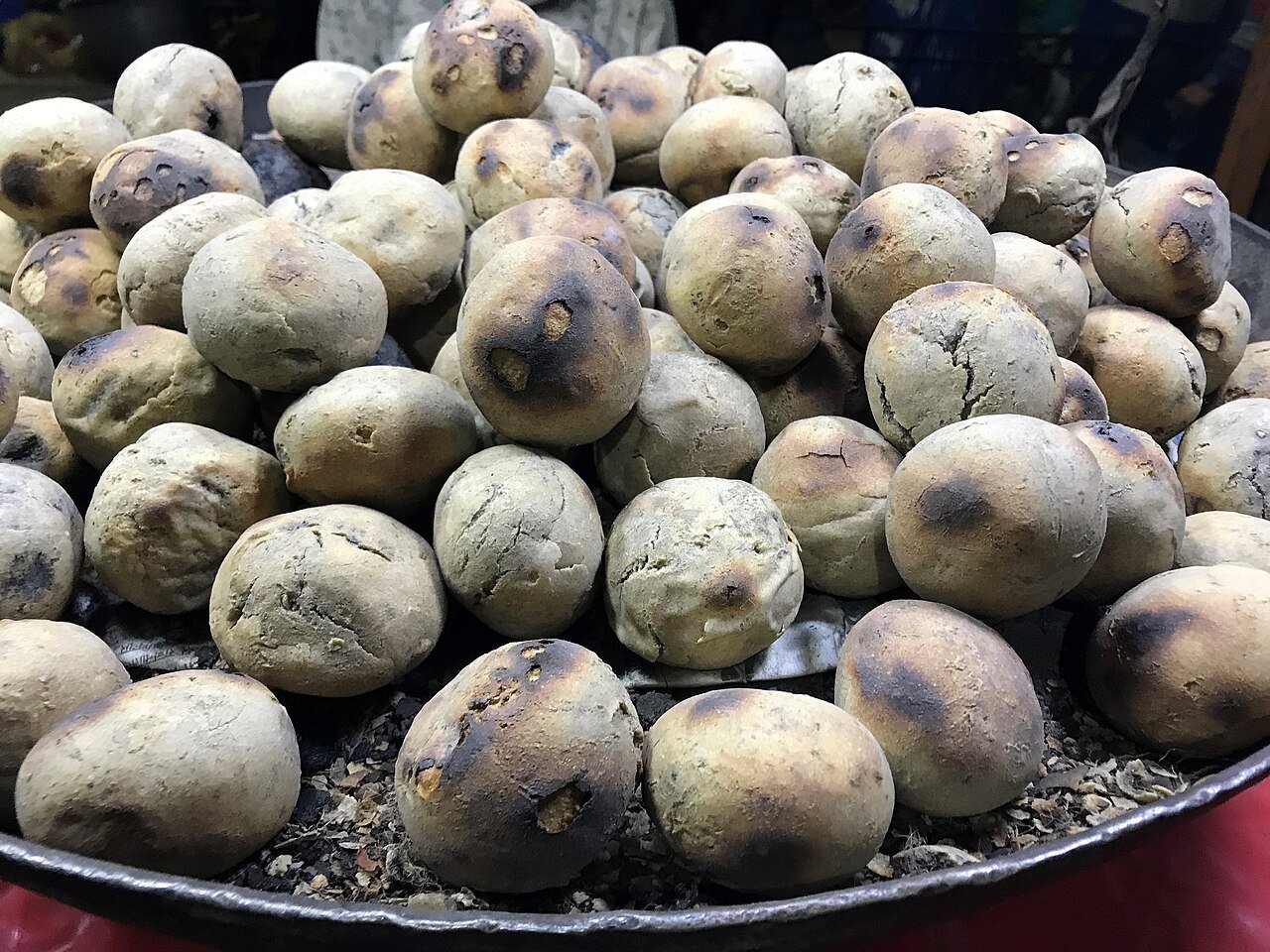
Litti is a ball of whole wheat dough stuffed with sattu and spices. Bihar Tourism describes it as a salted wheat-flour ball filled with sattu, baked and served with ghee, best eaten with brinjal or potato mash. That mash is chokha. This version is written for an ordinary kitchen: an oven or a heavy tawa, plus a gas flame for roasting the vegetables.
In this recipe
What a good litti chokha recipe gets right
A good litti chokha recipe aims for three things. The crust should be firm, dry and spotted golden-brown, not pale and not burnt. The dough inside should be fully cooked right up to the filling. And the filling should be moist enough to hold together when you bite in, with the sharp kick of mustard oil, raw garlic, ajwain and lemon.
The chokha is the other half of the plate. Brinjal and tomatoes roasted straight on the flame give it a smoky taste that boiled vegetables can’t. Potato adds body, and a spoon of raw mustard oil pulls it all together.
Litti chokha ingredients explained: what each one does
Every litti chokha recipe rests on the same few ingredients, and small swaps change the result more than you might expect.

Sattu (roasted gram flour)Buy chana sattu, made from roasted chickpeas; some packets add barley, so check the label. It is already roasted, so the filling tastes cooked. Don’t swap in besan, which stays raw and pasty. No sattu? Grind roasted chana to a fine powder.

AttaOrdinary chakki atta works well. A little ghee rubbed into the dough keeps the crust from turning rock hard.
Ajwain (carom seeds)Goes into both the dough and the filling. It adds a sharp, thyme-like flavour that suits heavy wheat-and-sattu food. Crush it lightly between your palms before adding.
Kalonji (nigella seeds)Adds a mild, slightly oniony bitterness to the filling. Don’t confuse it with black sesame; kalonji seeds are matte and angular.

GingerGrate it fine so there are no fibrous bits in the filling.
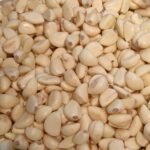
GarlicUsed raw in both the filling and the chokha. In the chokha it gives the sharp bite that balances the smoky brinjal.

Green chilliesChop them fine so the heat spreads evenly, and adjust the number to taste.

Fresh corianderBrings freshness to both the filling and the chokha. Use the leaves and tender stems.
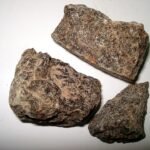
Black salt (kala namak)Gives the tangy, slightly sulphurous note typical of sattu fillings. It is salty, so cut back on regular salt if you add more.

LemonThe juice brightens the filling and helps it hold together.
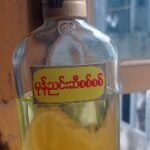
Mustard oilIt gives both the filling and the chokha their pungent, typically Bihari taste. Any neutral oil will work, but the flavour will be flatter.

Brinjal (baingan)Pick a large, firm brinjal with shiny skin. It is roasted whole over the flame until soft, which gives the chokha its smoky flavour.

TomatoesRoasted with the brinjal, they add tang and moisture to the chokha.

PotatoesBoiled and mashed into the chokha, they make it creamier and milder.

OnionFinely chopped raw onion goes into the chokha, and sliced onion is served on the side.
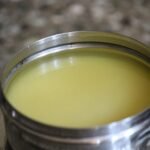
GheeFor dipping the hot litti. You can use less, but the ghee is part of the dish, not a garnish.
Allergens: this recipe contains wheat (gluten), chickpea (in the sattu), dairy (ghee) and mustard (mustard oil).
Litti chokha recipe, step by step
1. Make the dough
Rub the ghee into the atta, salt and ajwain, then add water a little at a time. Knead to a soft, smooth dough, slightly firmer than chapati dough. Cover and rest it for 20 minutes so it rolls without tearing.
2. Mix the sattu filling
Mix the sattu with the spices, ginger, garlic, chilli, coriander, lemon and mustard oil, then add water one spoon at a time. Here’s the test most recipes skip: squeeze a fistful. It should hold its shape and then break apart when you poke it, like damp sand. If it crumbles straight away, it needs more water. If it feels like a paste, add a spoon of sattu.
3. Roast the vegetables for the chokha
Set the brinjal directly on a gas flame and turn it with tongs until the skin is charred all over and the whole thing slumps and feels soft right through, about 12–15 minutes. Roast the tomatoes until the skins blister and split. Let them cool for a few minutes, peel off every bit of burnt skin, then mash with the boiled potatoes, garlic, chilli, onion, coriander, mustard oil and salt.
4. Shape the litti
Divide the dough into 8 balls. Flatten each into a small cup, keeping the edges thinner than the centre, so the pleats don’t make a thick, doughy knot. Add about 2 tablespoons of filling, gather the edges, pinch them shut and roll the ball gently between your palms until there are no cracks. Keep the shaped litti under a cloth while you finish the rest.
5. Bake in the oven, or cook on a tawa
Oven: bake on a greased tray at 200°C (400°F) for 30–40 minutes, turning every 10–12 minutes so they colour evenly.
Tawa or appe pan: cook on low to medium heat with a light brush of ghee and a lid on top, turning every few minutes. Low heat matters more than speed. A hot tawa browns the outside long before the inside cooks. It takes longer than the oven, so go by the doneness check below rather than the clock.
6. Dip in ghee and serve
Crack each hot litti lightly so the ghee can soak in, then dip or brush it generously. Serve at once with the chokha.
How to tell when litti is cooked
This is where a litti chokha recipe most often goes wrong at home, because colour alone can fool you. Look for a crust that feels firm and dry when you press it, with golden-brown patches on every side. Then break one open. The dough should look dry and flaky right up to the filling. A pale, gummy layer just under the crust means it needs more time on lower heat.
Litti chokha recipe mistakes and how to fix them
- Dry, dusty filling: the commonest problem. Add water a spoon at a time and use the squeeze test. The mustard oil and lemon also add moisture, so don’t skip them.
- Litti cracks or the filling leaks: the dough was too stiff or too thin at the seal. Knead it softer, rest it properly, and keep the seam thick enough to pinch firmly.
- Hard as a stone: usually too little fat in the dough or too long in the oven. Rub in the full 2 tablespoons of ghee, and take the litti out once the doneness check passes.
- Brown outside, raw inside: the heat was too high. Lower it, cover the tawa, and cook longer. Slightly flattening the balls also helps them cook evenly.
- Watery chokha: very juicy tomatoes. Drain off some of their liquid after peeling, or add a little more potato.
- Bitter chokha: burnt skin left in the mash. Peel the brinjal and tomatoes carefully.
Substitutions and variations
The basic litti chokha recipe adapts well. These are the changes that work:
- Vegan: use oil in the dough and brush the litti with mustard oil instead of dipping it in ghee.
- Onion in the filling: many cooks add a finely chopped onion. It adds sweetness and a little moisture.
- Achar masala: a spoon of mango pickle masala in the filling is a popular shortcut for extra tang and spice.
- Fried litti: some families deep-fry litti instead of baking it. It’s quicker and richer, but heavier.
- Aloo-only chokha: if you can’t roast brinjal on an open flame, a potato chokha with mustard oil, raw onion, garlic and chilli still makes a good plate.
- Gluten-free: litti relies on wheat dough, so there isn’t a reliable swap.
What to serve with litti chokha
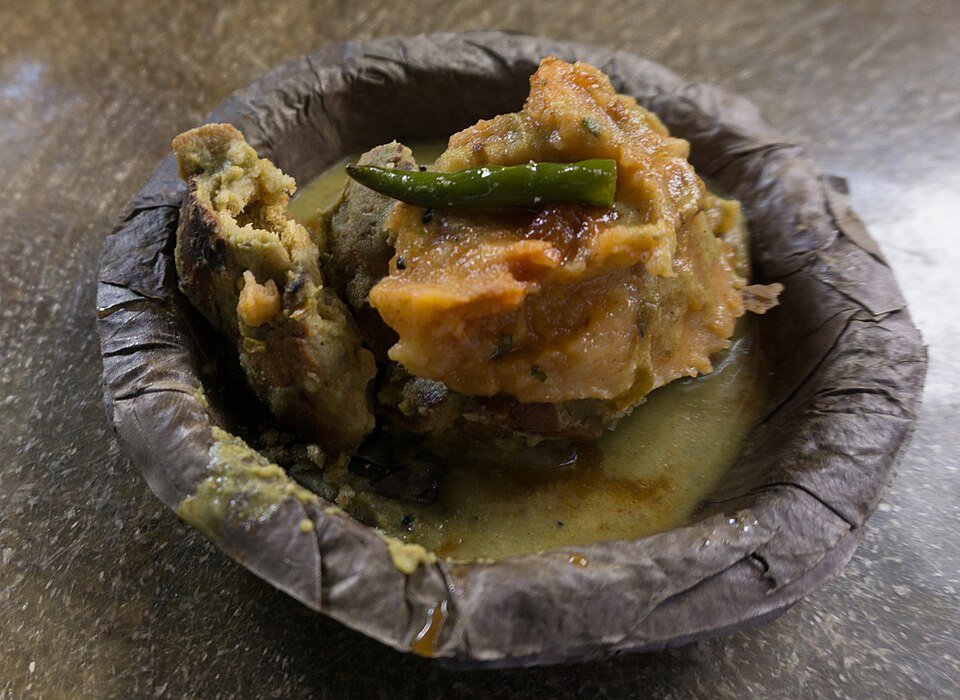
The litti chokha recipe above makes a full meal on its own. Add sliced raw onion, a green chilli, a wedge of lemon and extra ghee on the side. Two or three litti with chokha is a filling plate for most adults. It’s popular year-round, but it really comes into its own on cold winter evenings.
If you’re visiting Bihar, look for roadside stalls roasting litti over a small fire. Our guide to the famous food of Bihar explains what else to order. Heading there in winter? Our guides to the Sonepur Mela and Rajgir Mahotsav help you plan the trip.
Storing and reheating litti
Litti is at its best hot, within an hour of cooking. Leftovers from this litti chokha recipe and chokha should go into the fridge within two hours, and cooked leftovers are generally best eaten within 3–4 days, according to FoodSafety.gov. Reheat litti in a hot oven or covered on a tawa until heated right through, then dip in fresh ghee. The chokha tastes sharpest on the day it’s made because of the raw garlic and onion.
Litti chokha recipe FAQs
Can I make this litti chokha recipe without an oven?
Yes. Cook it on a heavy tawa or in an appe pan on low to medium heat with the lid on, turning every few minutes. It takes longer than the oven, so check by breaking one open: the dough should be dry and cooked right up to the filling.
Can I make litti in an air fryer?
Yes. Brush the litti with a little ghee, cook them in a single layer and turn them halfway. Air fryers vary a lot, so start checking early and use the same signs as the oven: a firm, dry crust with golden-brown patches and no doughy layer inside.
Can I use besan instead of sattu for litti?
No. Besan is raw gram flour and will taste raw and pasty inside the litti. Sattu is made from roasted chickpeas, so it is already cooked. If you can’t find sattu, grind roasted chana to a fine powder and sieve it.
What is the difference between litti and baati?
They look alike, but litti is stuffed with spiced sattu and served with chokha, while Rajasthani baati is usually plain and eaten with dal.
Why is my litti hard?
There was probably too little ghee in the dough, the dough was kneaded too stiff, or the litti stayed in the oven too long. Rub in the full amount of ghee, keep the dough soft, and take the litti out as soon as the doneness check passes.
Is litti chokha vegan?
The traditional version uses ghee. For a vegan plate, use oil in the dough and brush the litti with mustard oil instead of dipping it in ghee.
Litti chokha recipe card
Litti Chokha (Sattu Litti with Baingan-Aloo Chokha)
Ingredients
Equipment
Method
- Mix the atta, salt, ajwain and ghee, rubbing the ghee in with your fingers. Add water a little at a time and knead to a soft, smooth dough, a touch firmer than chapati dough. Cover and rest for 20 minutes.
- Mix the sattu with all the filling ingredients except the water. Add water one spoon at a time until a fistful pressed in your palm holds its shape but breaks apart when you poke it. It should feel like damp sand, not a paste.
- Roast the brinjal directly on a gas flame, turning with tongs, until the skin is charred all over and the brinjal collapses and feels soft right through (about 12-15 minutes). Roast the tomatoes the same way until the skins blister and split. Cool slightly and peel.
- Mash the brinjal, tomatoes and boiled potatoes together. Mix in the garlic, green chilli, onion, coriander, mustard oil and salt. Taste and adjust.

- Divide the dough into 8 equal balls. Flatten one into a 4-5 inch circle or a cup shape, keeping the edges thinner than the centre. Add about 2 tbsp filling, bring the edges up, pleat, pinch shut and roll gently between your palms into a smooth ball with no cracks. Keep the shaped litti covered with a cloth.
- Oven: Preheat to 200°C (400°F). Place the litti on a greased tray and bake for 30-40 minutes, turning every 10-12 minutes, until the crust is firm and dry with golden-brown patches.
- Tawa or appe pan: Heat a heavy tawa (or appe pan) on low-medium heat, brush lightly with ghee, add the litti and cover. Turn every few minutes until browned on all sides and cooked through. Expect it to take longer than the oven; go by the doneness check, not the clock.

- Check one: break it open. The inside should be dry and cooked, with no doughy layer under the crust. If it is still doughy, cook the batch a little longer on lower heat.
- While the litti are hot, crack each one lightly and dip or brush it with melted ghee. Serve straight away with the chokha, sliced onion, green chillies and lemon.

Notes
More from Bihar’s kitchens: try our Bihari besan ki sabji or the thekua recipe made for Chhath. Planning a trip? Start with our Bihar travel hub and these places to visit in Bihar.
Featured image: roasted litti by Rajeeb Dutta (source), CC BY-SA 4.0, via Wikimedia Commons. Litti with chokha in a leaf bowl by Sumit Surai (source), CC BY-SA 4.0, via Wikimedia Commons. Ingredient and step photos via Wikimedia Commons: Atta by Nga Ahorangi (CC BY-SA 4.0); Ajwain by Miansari66 (Public domain); Ghee by Phadke09 (CC BY-SA 4.0); Sattu by Gaurav Dhwaj Khadka (CC BY-SA 4.0); Kalonji by Afifa Afrin (CC BY-SA 4.0); Ginger by Judethedeus (CC0); Garlic by Fumikas Sagisavas (CC0); Green chillies by Medhi jyoti (CC BY-SA 4.0); Fresh coriander by Kpsudeep (CC BY-SA 4.0); Black salt by Miansari66 (Public domain); Lemon by Annatsach (CC BY-SA 4.0); Mustard oil by SarKaLay စာကလေး (CC BY-SA 4.0); Brinjal by GTSPACE (CC BY-SA 4.0); Tomatoes by Softeis (CC BY-SA 3.0); Potatoes by Ruslan V. Albitsky aka pauk (CC BY-SA 3.0); Onion by McKay Savage from London, UK (CC BY 2.0); Roasted brinjal and tomato mashed together by Subhashish Panigrahi (CC BY-SA 4.0); Litti shaped and ready to cook by Hartej.hundal (CC BY-SA 4.0); An appe by manojkumar chidambaram (CC BY-SA 4.0); Litti dipped in ghee, served with chokha by Vinay Sah (CC BY-SA 4.0).