Quick answer: The biggest grocery savings come from three habits: plan the week’s meals before you shop, buy long-lasting staples (rice, dal, atta, oil, whole spices) in bulk, and build meals around what’s in season at your local market. Add a simple leftovers routine and you stop paying for food that ends up in the bin.
Most kitchens don’t overspend on one big thing. The money leaks out in small ways: the extra packet of biscuits, the coriander that wilts before you use it, the second trip to the shop because you forgot onions. These ten tips are about plugging those leaks without eating worse.
In this guide
1. Plan the week’s meals before you shop

Planning is the tip that makes every other tip work. Sit down for ten minutes before the weekly shop, decide roughly what you’ll cook each day, and write a list from that plan. Then buy only what’s on it.
One thing worth knowing: a plan doesn’t have to be strict. “Dal-chawal twice, rajma once, one egg curry, one khichdi night” is enough to stop impulse buys. A common mistake is planning seven different elaborate dishes. Plan meals that share ingredients instead, so the half bunch of palak from Monday goes into Wednesday’s dal.
2. Buy long-lasting staples in bulk
For a family like ours, with four or five people at the table, buying staples in bulk is almost always cheaper over a month. Rice, dal, atta, poha, oats, cooking oil and whole spices keep well and cost less per kilo in larger packs.
The rule is to bulk-buy only what you already eat often and can store properly. Keep grains and dals in airtight steel or glass containers in a cool, dry place, and use the oldest stock first. If a big pack of something new goes stale before you finish it, the “saving” was a loss.
Whole vs ground spices: whole spices like jeera, dhania seeds and black pepper hold their flavour much longer than ground powders. Buying whole and grinding small batches means you waste less.
3. Cook with what’s in season
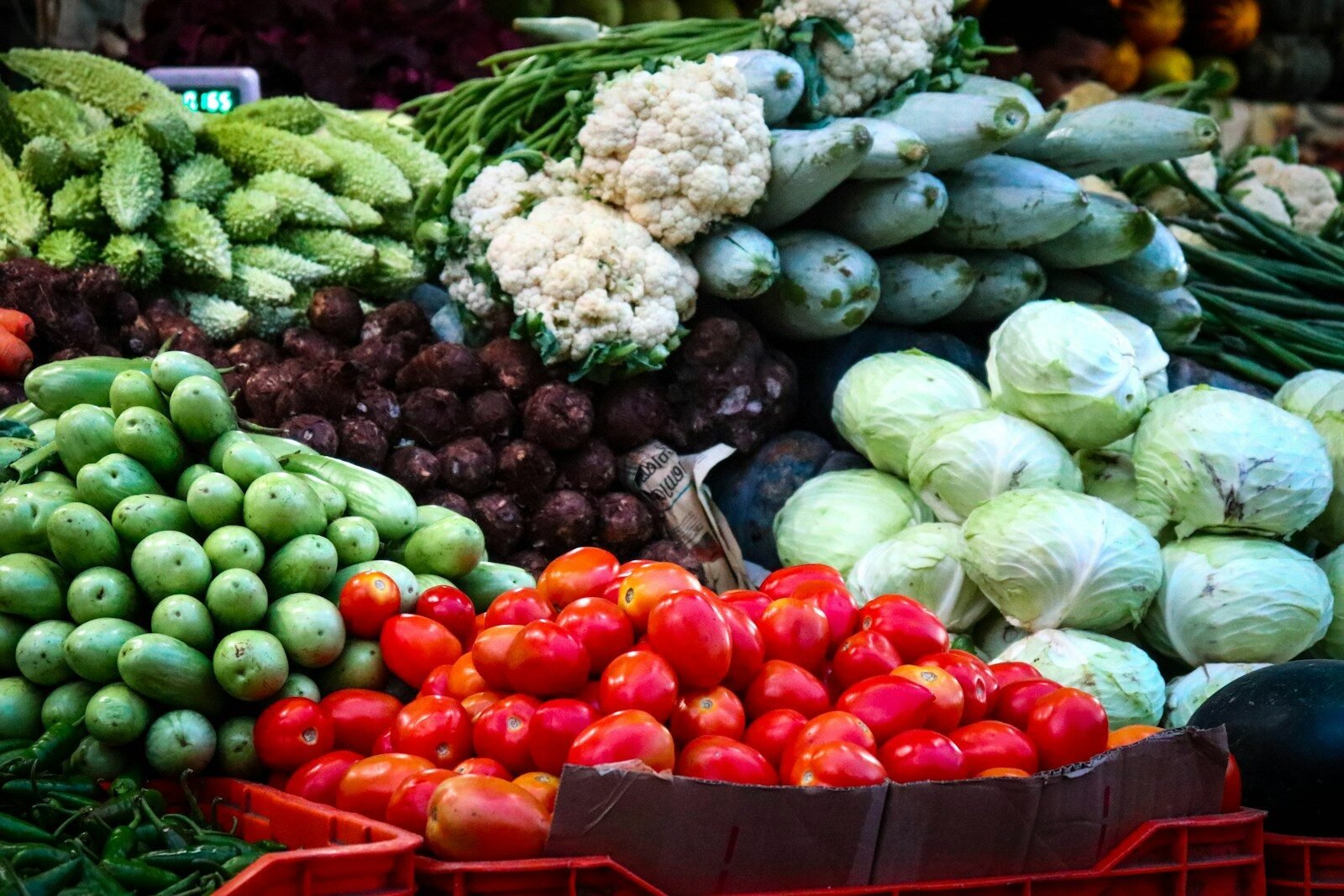
Our grandparents bought what was in season, and for good reason. Seasonal vegetables are cheaper because there’s more of them, and they taste better because they haven’t travelled as far or sat in cold storage as long.
If you’re planning meals, check the market first and plan second. Winter is the time for gajar, methi, matar and sarson; summer brings lauki, tori, bhindi and mango. When tomatoes or onions suddenly shoot up in price, lean on dishes that need less of them for a few weeks rather than paying the peak price.
4. Compare prices before you settle on one shop
Discount supermarkets, wholesale markets and online grocery sales can take real money off the monthly bill, but no single place is cheapest for everything. Many families end up with a simple split: staples and packaged goods from a discount store or wholesale market, fresh vegetables from the local mandi or sabziwala.
Check the price per kilo or per litre, not the pack price. A “family pack” is not always cheaper than two smaller ones, and an offer on something you don’t need saves nothing.
5. Waste less food
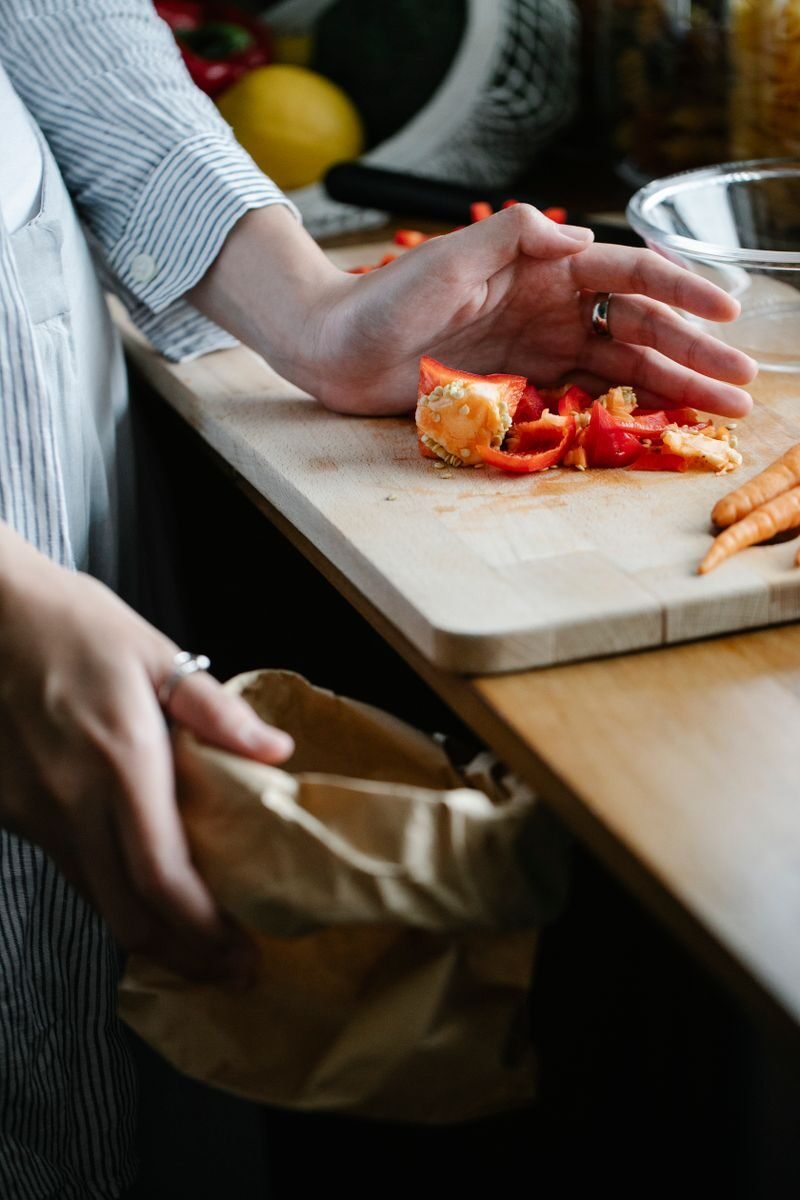
Wasted food is the most painful kind of overspending because you’ve already paid for it. A few habits that help:
- Store greens wrapped in a dry cloth or paper towel in the fridge so they last longer.
- Keep a “use first” spot at the front of the fridge for anything close to spoiling.
- Cook rice and roti in the quantity your family actually eats, and adjust after a week of watching what’s left.
- Turn leftovers into a new meal: day-old rice becomes lemon rice or fried rice, leftover roti becomes a quick roti upma or chips.
- Compost the scraps you truly can’t use.
6. Make your own snacks
Packaged snacks are one of the easiest places to save. A few cheap, simple options to make at home:
- Fried or roasted poha chivda
- Roasted makhana (fox nuts) tossed in a little ghee and salt
- Roasted chana with a squeeze of lemon
- Homemade namak para or shakarpara, which store well in an airtight jar for a couple of weeks
If you like making festive snacks, the methods in our Diwali sweets recipes (besan ladoo, coconut barfi and shakarpara) work for everyday batches too, and Bihar’s thekua keeps for days.
7. Use the whole vegetable
Stalks, leaves and peels are often perfectly good food. Cauliflower leaves and stalks can go into a sabzi, radish greens make a quick bhurji, coriander stems carry more flavour than the leaves for chutney, and onion and carrot peels can be simmered into stock for soups and dals.
A common mistake is throwing away the outer leaves of cabbage and cauliflower by habit. Wash them well and chop them fine, and they disappear into a stir-fry.
8. Shop the open market and try store brands

Weekly haats and open markets often sell vegetables cheaper than supermarkets, especially near closing time when vendors want to clear stock. For packaged items, store brands of rice, dal, salt, sugar and cleaning supplies are usually close in quality to big brands at a lower price.
If you’re unsure, try the store brand once for things where the difference is hard to taste, like salt, sugar or besan, before switching anything you’re particular about.
9. Grow a few herbs at home
You don’t need a garden to save a little here. Pudina, tulsi, curry leaves, coriander and green chillies grow well in pots on a balcony or a sunny window. These are exactly the herbs people buy in small bunches and throw away half-used, so even a couple of pots make a difference.
Start with one or two plants you use every week rather than a whole kitchen garden. Mint is the easiest to begin with because it grows back quickly after cutting.
10. Cook from scratch more often
Ready-made gravies, frozen snacks and delivery are where food budgets quietly disappear. Cooking from basic ingredients costs less per plate and lets you control oil, salt and sugar.
It doesn’t have to mean more time in the kitchen. One-pot dishes like khichdi, dal-rice in a pressure cooker or a simple sabzi with roti are quick on busy evenings. If you want an easy, filling dish from pantry staples, try our Bihari besan ki sabji, which needs little more than gram flour and everyday spices.
Which tips save the most?
| Tip | Effort | Typical impact |
|---|---|---|
| Meal planning and a shopping list | Low | High: cuts impulse buys and repeat trips |
| Bulk staples | Low | High for families, if stored well |
| Seasonal produce | Low | Medium to high, depending on the season |
| Wasting less | Medium | High: you stop paying for food you throw away |
| Homemade snacks | Medium | Medium |
| Store brands and open markets | Low | Medium |
| Growing herbs | Medium | Low, but steady |
| Cooking from scratch | Medium | High compared with delivery or ready meals |
Putting these tips into practice
You don’t need to use all ten at once. Start with meal planning and a shopping list this week, then add one more habit each week. Small changes add up quickly when they repeat every time you shop.
Frequently asked questions
What is the single best way to save money on groceries?
Planning your meals and shopping from a list. It stops impulse buys, cuts repeat trips to the shop and means fewer ingredients go to waste.
Is buying in bulk always cheaper?
Only for things you use often and can store well. Bulk rice, dal, atta and oil usually save money for families; bulk buys of things you rarely eat often go stale or expire first.
Which foods are cheapest to cook with in India?
Dals, rice, atta, besan, seasonal vegetables, eggs and poha are among the most affordable everyday staples, and they form the base of many filling meals.
How can I reduce food waste at home?
Cook the quantity your family really eats, store greens properly, keep a “use first” shelf in the fridge and turn leftovers into new meals like lemon rice or roti upma.
For more budget-friendly ideas, see our Southern comfort food on a budget roundup, or if you’re saving for a trip, read our guide to travelling in India on a budget.