
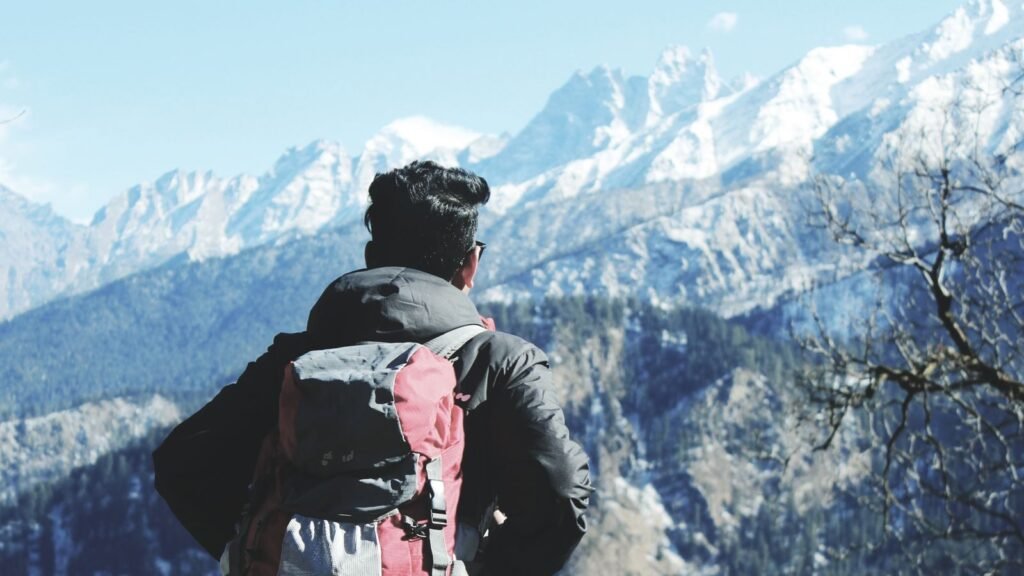
Quick answer: You can travel in India on a budget by doing four things: travel outside peak season, use trains and state buses for long distances, sleep in hostels, guesthouses or homestays, and eat where locals eat. Many backpackers manage on roughly ₹1,500–2,500 a day outside the big cities; plan for more in Goa, Mumbai, Ladakh or during festivals.
The expensive part of an India trip is rarely the ticket to a monument. It’s the taxi you took because you didn’t know the bus existed, the hotel you booked in peak week, and the “tourist menu” lunch next to the main sight. Get those three right and India becomes one of the cheapest big countries to travel in.
In this guide
What a budget trip in India costs
These are rough per-person estimates for a backpacker-style trip in late 2026. Prices vary a lot by city and season, so treat them as a planning range, not a quote.
| Item | Budget range | Notes |
|---|---|---|
| Hostel dorm bed | ₹300–800 a night | Popular chains and peak season cost more |
| Basic private room / guesthouse | ₹800–2,000 a night | Cheaper in small towns, pricier in Goa and hill stations at peak |
| Local meal or thali | ₹100–250 | Street snacks cost less |
| Long-distance train (sleeper class) | Usually a few hundred rupees | Book on IRCTC; AC classes cost several times more |
| City transport | ₹50–300 a day | Metro, city bus, shared auto, app autos |
| Typical day | ₹1,500–2,500 | Without flights, tours or alcohol |
1. Travel outside peak season
Peak season in most of India runs from about October to March, with the highest prices around Diwali, Christmas, New Year and long weekends. Hill stations peak again in May–June when the plains get hot.
Travelling in the shoulder months (just before or after peak) usually gets you lower room prices with decent weather. Goa and Kerala are much cheaper in the monsoon (roughly June to September), but beaches can be rough, some shacks shut, and water sports pause, so go for greenery and quiet, not swimming.
A common mistake is booking a hill station for a long weekend without checking the calendar. Shimla, Mussoorie or Nainital on a holiday weekend can cost double and take hours longer to reach.
2. Use trains and state buses for long distances

Indian Railways is the backbone of budget travel. Sleeper class (non-AC berths) is the cheapest reserved option, and an overnight train also saves you a night’s accommodation. AC 3-tier costs more but is more comfortable in summer and winter.
One thing worth knowing: reserved tickets open 60 days before the journey on IRCTC, and popular routes fill early, especially around festivals. Tatkal quota tickets open a day ahead for last-minute trips but cost extra.
State transport buses (often called “roadways” in the north) are cheap for shorter hops and reach towns without a railway station. Inside cities, the metro, city buses and shared autos are far cheaper than taxis.
3. Stay in hostels, guesthouses and homestays
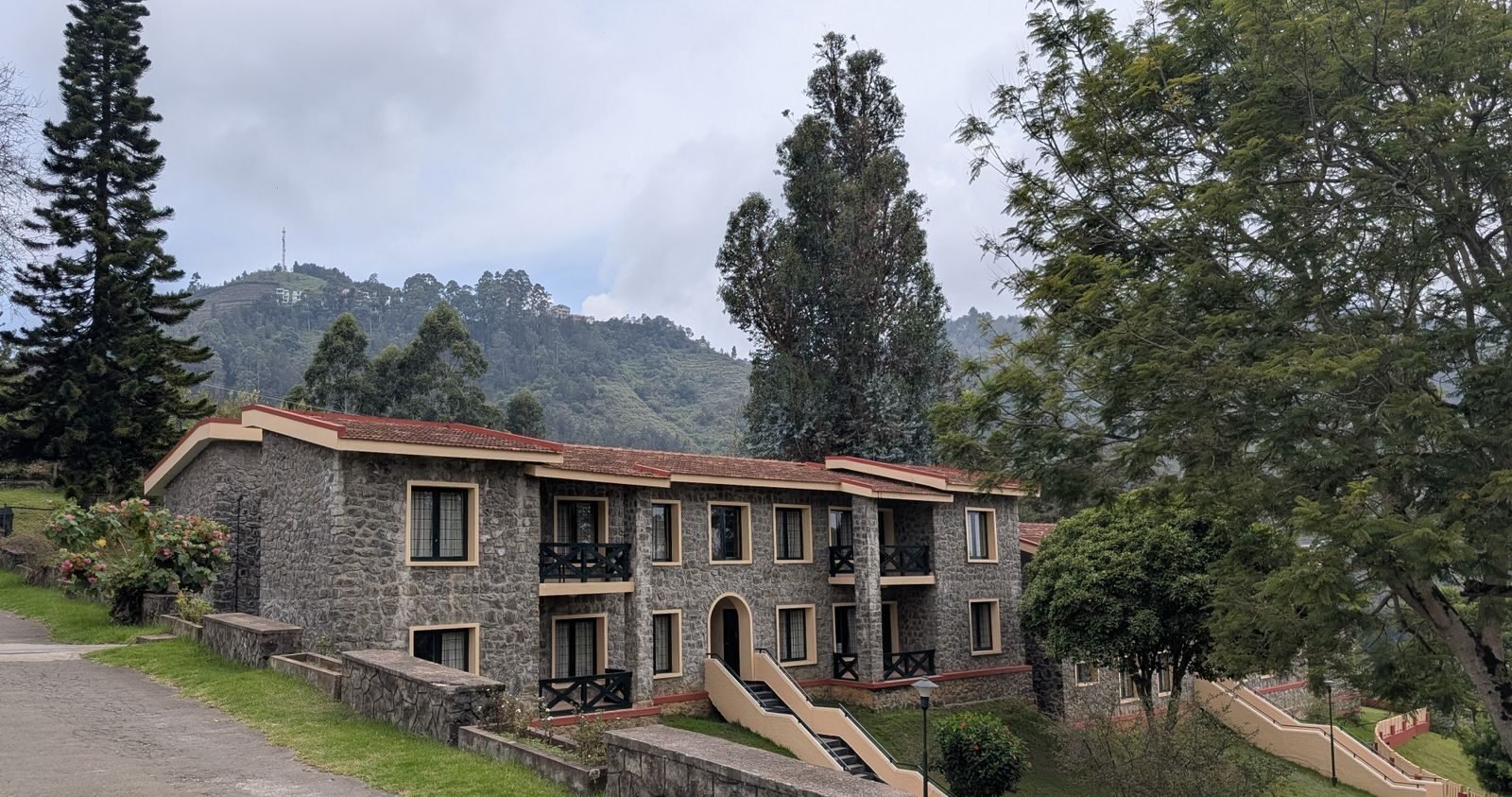
Backpacker hostels now exist in most tourist cities, and a dorm bed is the cheapest bed you’ll find. Family-run guesthouses and homestays usually cost less than hotels of similar quality and often include home-cooked meals. Booking sites such as Hostelworld, Booking.com and Airbnb help you compare.
If you’re planning to stay longer, ask for a weekly rate. Many guesthouses offer one, especially off-season. Our guide to offbeat village homestays in India has a few stays that also give you a slower, more local trip.
4. Eat where locals eat
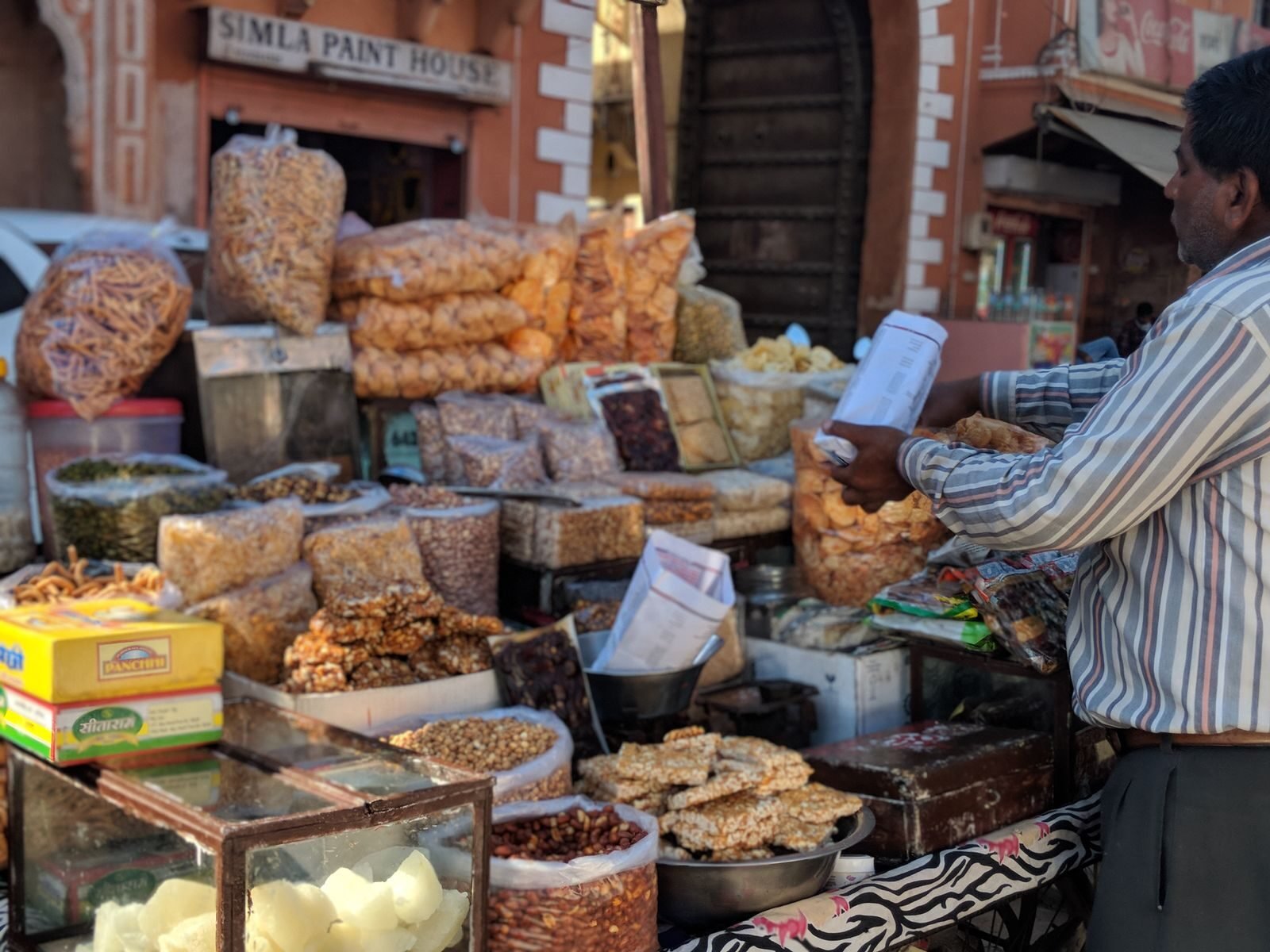
Local food is one of the best and cheapest parts of travelling in India. A thali at a busy dhaba or “bhojanalaya” gives you a filling, balanced meal for very little, and breakfast staples like poha, idli, paratha or kachori cost even less.
Choose stalls with a steady crowd and food cooked fresh in front of you. Drink sealed bottled water or use a filter bottle, and go easy on raw salads and cut fruit for the first few days if you’re not used to the food.
5. Mix free sights with paid ones
Plenty of India costs nothing: temple visits, the ghats of Varanasi, markets, beaches, city walks and sunset points. Paid monuments are usually affordable for Indian visitors and cost more for foreign nationals.
Free-entry days: the Archaeological Survey of India usually waives entry fees at its ticketed monuments on World Heritage Day (18 April) and on 19 November, the first day of World Heritage Week. Check ASI’s announcement for the year, as it’s confirmed annually, and expect bigger crowds that day.
6. Share costs when you can
Travelling with friends or family brings down the cost of rooms, taxis and car hire. A shared cab to a hill station or a car for a day of sightseeing can cost little more per person than buses once it’s split four ways. Solo travellers can share jeeps and day tours through hostel noticeboards.
7. Get a local SIM and use the right apps
A local prepaid SIM from Jio, Airtel or Vi gives you cheap data, and you’ll need it for maps, UPI payments, ride apps and train updates. Foreign visitors need their passport and visa when buying one.
Useful free apps: IRCTC or a train app for bookings and running status, Google Maps for local buses and walking routes, and Ola, Uber or Rapido for fixed-price autos and cabs, which avoids most fare arguments.
8. Bargain fairly
Bargaining is normal at street markets and with unmetered autos, but not in shops with printed prices or in restaurants. Ask the price first, offer lower, and settle somewhere in between. Stay friendly, and walk away politely if it’s too high. For autos, an app quote is a good reference point.
9. Carry ID for discounts
Students and senior citizens get concessions at some museums, monuments and transport services. Indian Railways also has various concession categories. Keep a valid ID with you; a photo on your phone isn’t always accepted.
10. Pack light
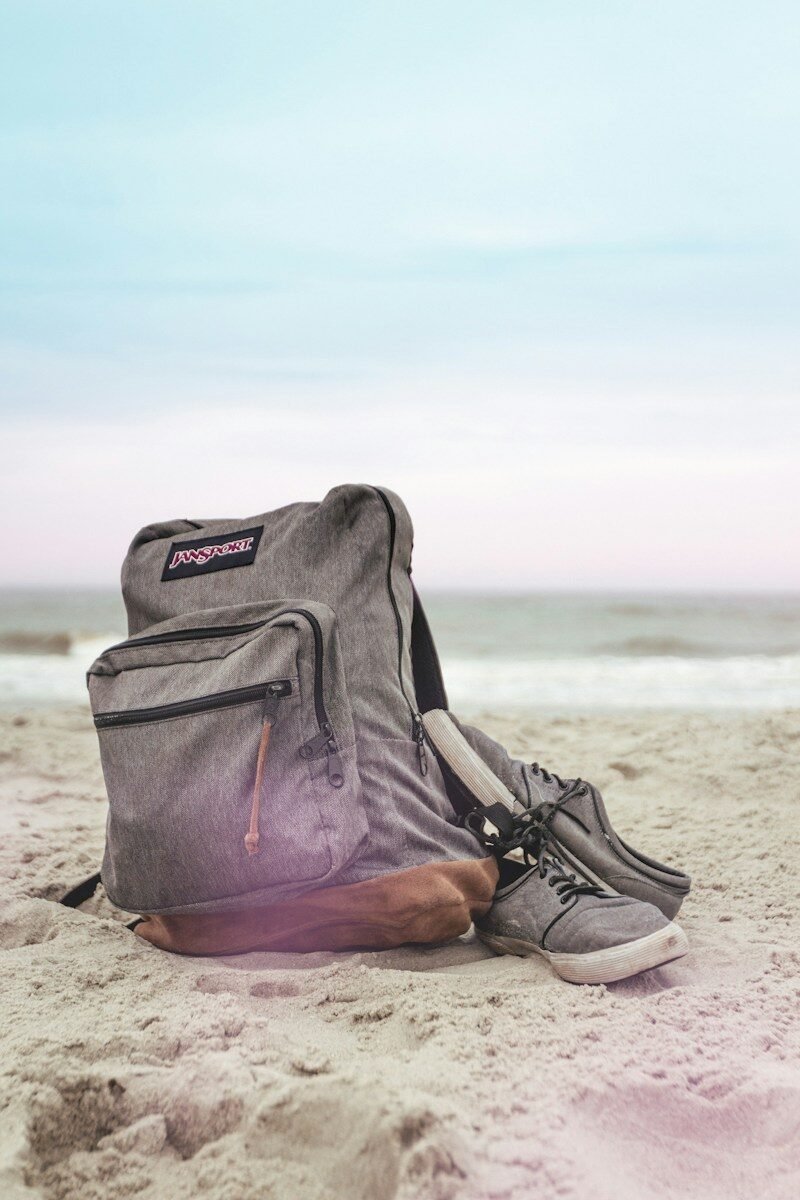
Budget airlines in India charge for checked bags beyond a small allowance, and a light bag makes trains, buses and walking between guesthouses much easier. Pack layers rather than heavy items. Toiletries, basic clothes and rain gear are easy and cheap to buy locally if you forget something.
11. Pick destinations that suit your budget
Your choice of place changes the bill more than any single tip. Smaller towns and less-hyped states cost far less than Goa, Mumbai or Ladakh. Bihar, for example, has world-class Buddhist and historic sites with low prices: see our 20 best places to visit in Bihar. In Rajasthan, Jodhpur is easy to do cheaply with guesthouses in the old city.
12. Avoid tourist-trap pricing
Restaurants right next to a big sight, guides who approach you uninvited and shops your driver “recommends” are the usual places you’ll overpay. Walk a few streets away to eat, book guides at the official counter, and shop where you choose.
Common mistakes on a budget India trip
- Booking trains too late for festival weeks and ending up in expensive flights or taxis.
- Trying to cover too many cities. Long transfers eat money and time.
- Paying for private taxis on routes well served by trains or buses.
- Skipping travel insurance to save money, then paying full price for a medical visit.
- Carrying only cards. UPI is everywhere, but small stalls and rural areas still like cash.
Staying safe while saving money
Keep valuables in a small bag you carry, not in a dorm locker without a lock. Avoid arriving in a new town late at night when you can, keep digital copies of your ID, and share your plans with someone at home. Women travelling solo often prefer women-only dorms or well-reviewed family guesthouses.
Budget-friendly trips to start with
Bihar’s circuit through Bodh Gaya, Rajgir and Nalanda is cheap and rich in history. Varanasi and Jodhpur both work well on trains and guesthouses. If you’re cooking some meals in a homestay kitchen, our frugal cooking tips help stretch the food budget further.
Choosing a region? Our India by state page groups our guides by state.
Frequently asked questions
Is India cheap to travel?
For most visitors, yes. Trains, local food and guesthouses are inexpensive, so a backpacker can travel on a modest daily budget. Big cities, Goa, Ladakh and festival periods cost noticeably more.
What is the cheapest way to travel between cities in India?
Sleeper-class trains and state buses. Overnight trains are especially good value because they save a night’s accommodation.
When is the cheapest time to visit India?
The shoulder and off-peak months, outside October–March holidays and the May–June hill-station rush. The monsoon is cheapest for Goa and Kerala, with some trade-offs in beach activities.
How far ahead should I book train tickets in India?
Reserved train tickets open 60 days before travel. Book as early as you can for festival periods and popular routes.
Prices last checked: November 2026. They change with season and city, so check current rates before you book.


Pingback: Dhikala Safari Booking 2026-27: Canter or Night Stay? Best Pick
Pingback: Shillong Cherry Blossom Festival 2026: Which Day to Go