

Quick answer: If you only see three Ladakh monasteries, make them Thiksey, Shey and Hemis, all on one road east of Leh and easy in a single day. Add Pangong Tso with one night by the lake, and plan at least 5 days including a full rest day when you arrive. June to September is the main season. Indian citizens pay an environment fee for Pangong and Nubra (no separate permit), and foreigners need a Protected Area Permit.
The most common mistake in Ladakh isn’t choosing the wrong monastery. It’s doing too much too soon. People land in Leh at 3,500 m and head for Pangong or Khardung La the next morning, then spend the trip with headaches. Rest first, start with the monasteries close to Leh, and save the high passes for day three or later.
Quick facts
Leh, Ladakh
- Best time to go
- June to September
- Getting there
- Fly to Leh from Delhi, or drive in from Manali or Srinagar
- Time needed
- About 5 days, including a rest day
- Altitude
- Leh is about 3,500 m, so take it easy on day 1
- Permits
- Needed for Pangong and Nubra; check before you go
In this guide
First, rest in Leh
Leh sits at about 3,500 m (11,500 ft). If you fly in, rest for the whole first day: drink water, avoid alcohol and hard exercise, and take a gentle evening walk at most. Talk to a doctor before the trip about altitude sickness, and go down and get help if headache, nausea or breathlessness get worse.
Monasteries near Leh (one day)
Thiksey
About 19 km from Leh, Thiksey climbs a hill in white-and-red tiers and is often compared to the Potala Palace in Lhasa. Inside is a large Maitreya (future Buddha) statue. Go early for the morning prayers, usually around sunrise; it’s the most atmospheric time to visit.
Shey
Shey Palace, on the way to Thiksey, was once a summer palace of Ladakh’s kings. It has a large seated Buddha and good views over the Indus Valley. A quick stop.
Hemis
About 45 km from Leh, Hemis is one of Ladakh’s largest and best-known monasteries, with a good museum. The Hemis Festival, with masked dances in the courtyard, is held each year in June or July; dates follow the Tibetan calendar, so check them before you plan around it.
Further away
- Diskit (Nubra Valley): a giant Maitreya statue facing the valley; combine with Nubra’s sand dunes.
- Lamayuru: about 125 km west of Leh among eroded “moonland” hills; easy to see on the way in from Srinagar.
- Alchi: known for some of the oldest wall paintings in Ladakh, on the Indus west of Leh.
Pangong Tso
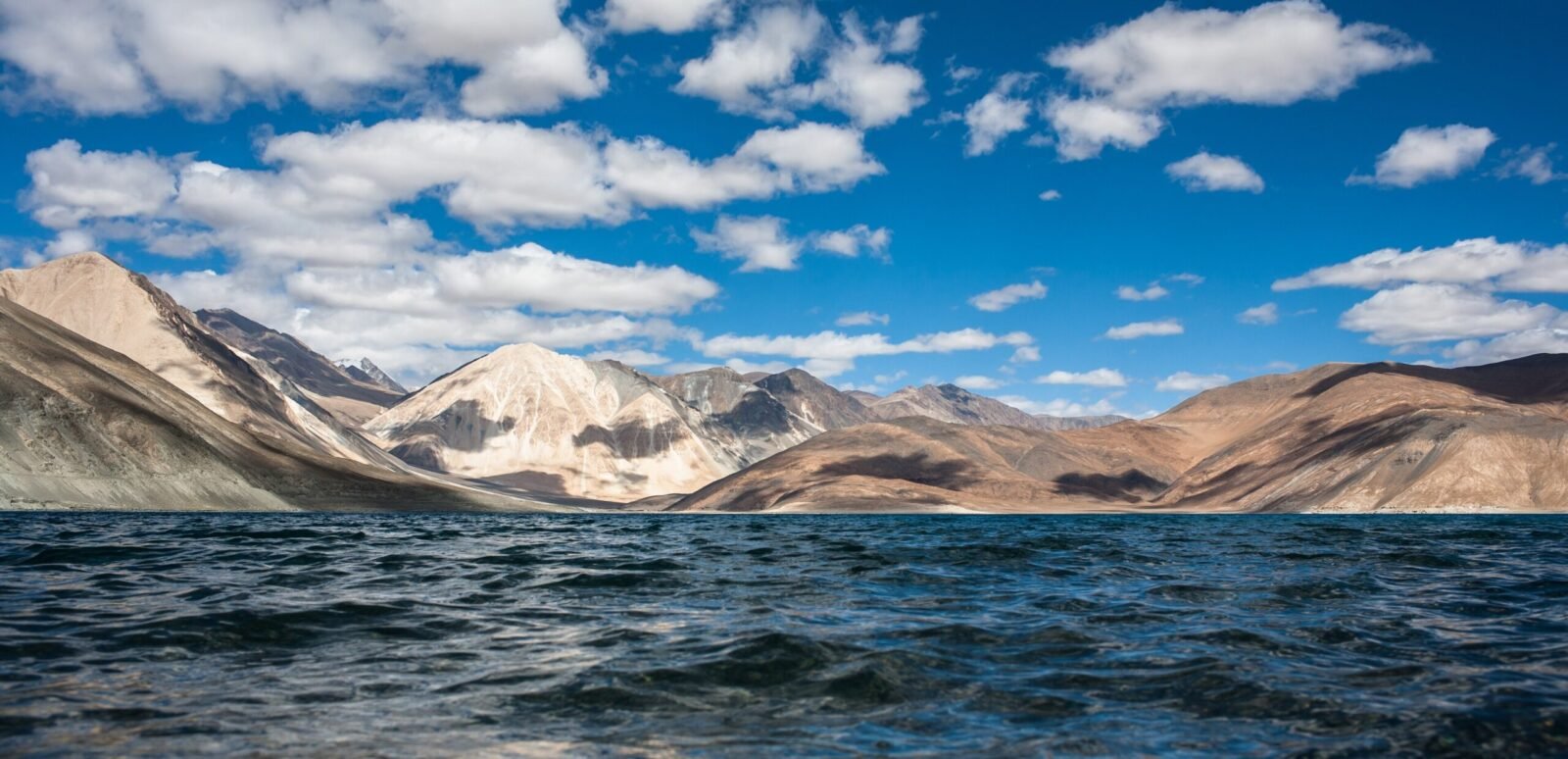
Pangong Tso is a long, high lake that shifts from deep blue to turquoise through the day. It’s about 160 km from Leh over the Chang La pass and sits at about 4,350 m. Stay one night in a camp or guesthouse by the lake if your body is coping well; nights are very cold even in summer. A same-day return is possible but means a very long day over a high pass.
Permits and fees
- Indian citizens: no separate inner line permit; pay the environment fee and carry the receipt for areas such as Pangong, Nubra and Tso Moriri through the official LAHDC Leh permit portal.
- Foreign nationals: need a Protected Area Permit for those areas, arranged through a registered travel agent in Leh.
- Monasteries near Leh (Thiksey, Shey, Hemis) need no permit; most charge a small entry fee.
Rules change, so check with the Leh district administration or your hotel before you travel.
Monastery etiquette
- Dress modestly, covering shoulders and knees, and carry a warm layer; prayer halls are cold.
- Walk clockwise around stupas and prayer wheels.
- Ask before photographing monks or inside prayer halls; some halls don’t allow photos.
- Keep your voice low during prayers.
Best time to visit
June to September is the main season, with open roads and mild days. Late May and early October are quieter but colder. In winter many roads and guesthouses close and temperatures fall far below freezing.
How to reach Leh
By air: Leh’s Kushok Bakula Rimpochee Airport has direct flights from Delhi and some other cities. You go straight to 3,500 m, so the rest day is essential.
By road from Manali: open roughly from late May or June to October; see our Manali to Leh road trip guide.
By road from Srinagar: over Zoji La via Kargil and Lamayuru. Arriving by road is easier on the body because you climb gradually.
A simple 5-day plan
- Day 1: arrive in Leh and rest.
- Day 2: Shey, Thiksey (early) and Hemis.
- Day 3: over Chang La to Pangong Tso; overnight by the lake.
- Day 4: morning at the lake, drive back to Leh.
- Day 5: west to Alchi and Lamayuru, or a slow day in Leh’s cafés and market.
Common mistakes
- Going to Pangong or Khardung La the day after flying in.
- Underpacking warm clothes for lakeside nights.
- Forgetting the environment-fee receipt for Pangong and Nubra.
- Visiting Thiksey at midday and missing the morning prayers.
Want more mountain villages and monasteries? Our offbeat village homestays guide includes Kaza in Spiti, near Key Monastery. See our Ladakh travel hub for more.
Packing checklist
What to pack for Ladakh
Tick things off as you pack. Your ticks stay on this device, and you can print the list to take with you.
- Warm layers for cold mornings and nights, even in summer
- Sunglasses, a hat and strong sunscreen
- Clothes that cover your shoulders and knees for monastery visits
- Shoes that slip off easily, as you remove them in prayer halls
- Cash for entry fees and small shops
- Copies of your ID for permits
- A refillable water bottle (drink plenty at altitude)
- Lip balm and moisturiser for the very dry air
- A basic first-aid kit and any medicines your doctor suggests
- A power bank
- An extra warm layer for a night at Pangong
Frequently asked questions
Which Ladakh monasteries should I visit first?
Start with Thiksey, about 19 km from Leh, at the early-morning prayers. Shey and Hemis are on the same road, so you can see all three in one day.
Can I visit Pangong Lake as a day trip from Leh?
It is possible but makes a very long day over a high pass. Most travellers enjoy it more with one night by the lake.
Do I need a permit for Ladakh monasteries?
Not for monasteries near Leh such as Thiksey, Shey and Hemis. For Pangong and Nubra, Indian citizens pay an environment fee and foreigners need a Protected Area Permit.
When is the Hemis Festival?
Every year in June or July, on dates set by the Tibetan calendar. Check the exact dates before you plan.
How many days do I need for Ladakh?
At least five days including a rest day; seven to ten days if you want Nubra and Tso Moriri too.
What should I wear in a monastery?
Clothes covering shoulders and knees, plus a warm layer for cold prayer halls.
Cover photo: Bernard Gagnon / Wikimedia Commons, CC BY-SA 4.0 (source).
Permit rules last checked: November 2026.

Pingback: Majuli Island Guide: Best 2-Day Plan, Ferry Times, Satras
Pingback: Guru Padmasambhava Monlam 2026: Dates & Best Udaygiri Guide