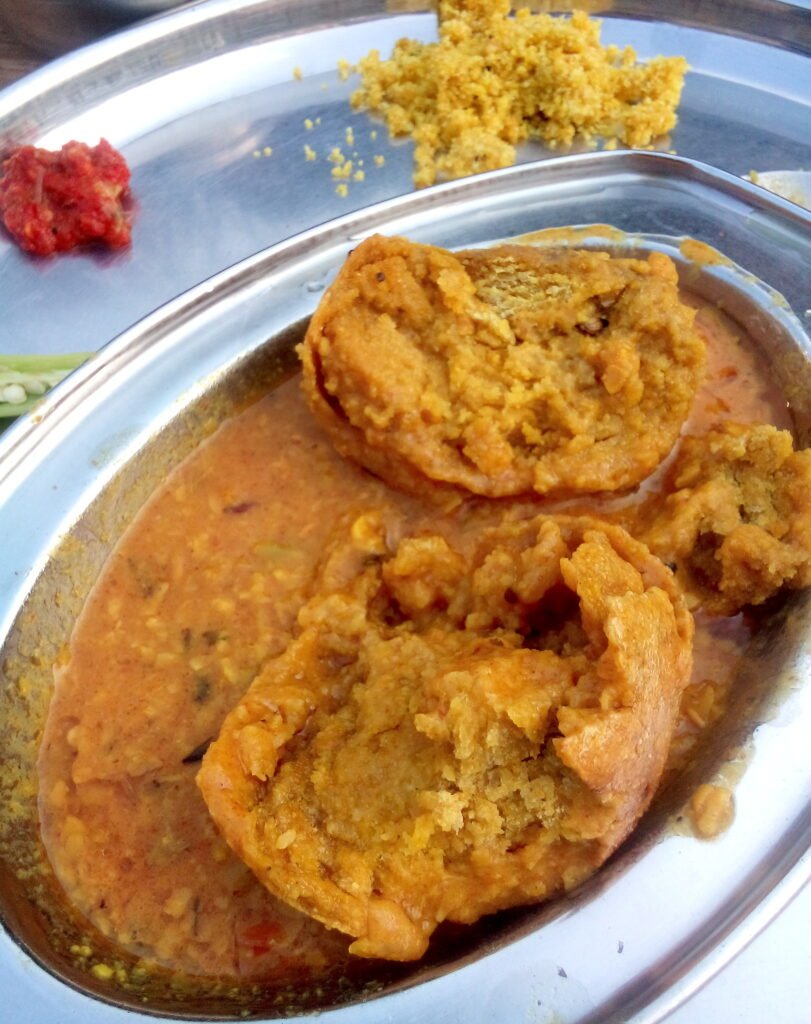
Quick answer: Four Southern classics that feed six for very little: red beans and rice (cheapest, about 3 hours mostly hands-off), skillet cornbread (30 minutes), a stretched meatloaf (about 1½ hours) and chicken and dumplings (about 1 hour 20 minutes). All are beginner-friendly, and three of them taste even better the next day. Jump to the recipes.
Southern comfort food grew up in home kitchens that had to make beans, cornmeal, rice and cheap cuts of meat go a long way. That’s exactly why it works on a tight budget today. The trick isn’t fancy ingredients, it’s technique: slow simmering, a smoky seasoning base and a few habits that stretch every pot.
In this guide
Why Southern comfort food suits a tight budget
Most of these dishes are built on dried staples that keep for months, and on a flavour base of onion, celery and green pepper (the Louisiana “holy trinity”) rather than expensive meat. A little smoked sausage or bone-in chicken flavours a whole pot. You need very little equipment: a heavy pot, an ovenproof skillet and a loaf tin.
If you’re cooking in India, nearly everything is easy to find. Rajma works for red beans, maida for flour, and makki ka atta for a coarser, more rustic cornbread.
The cheap ingredients doing the heavy lifting

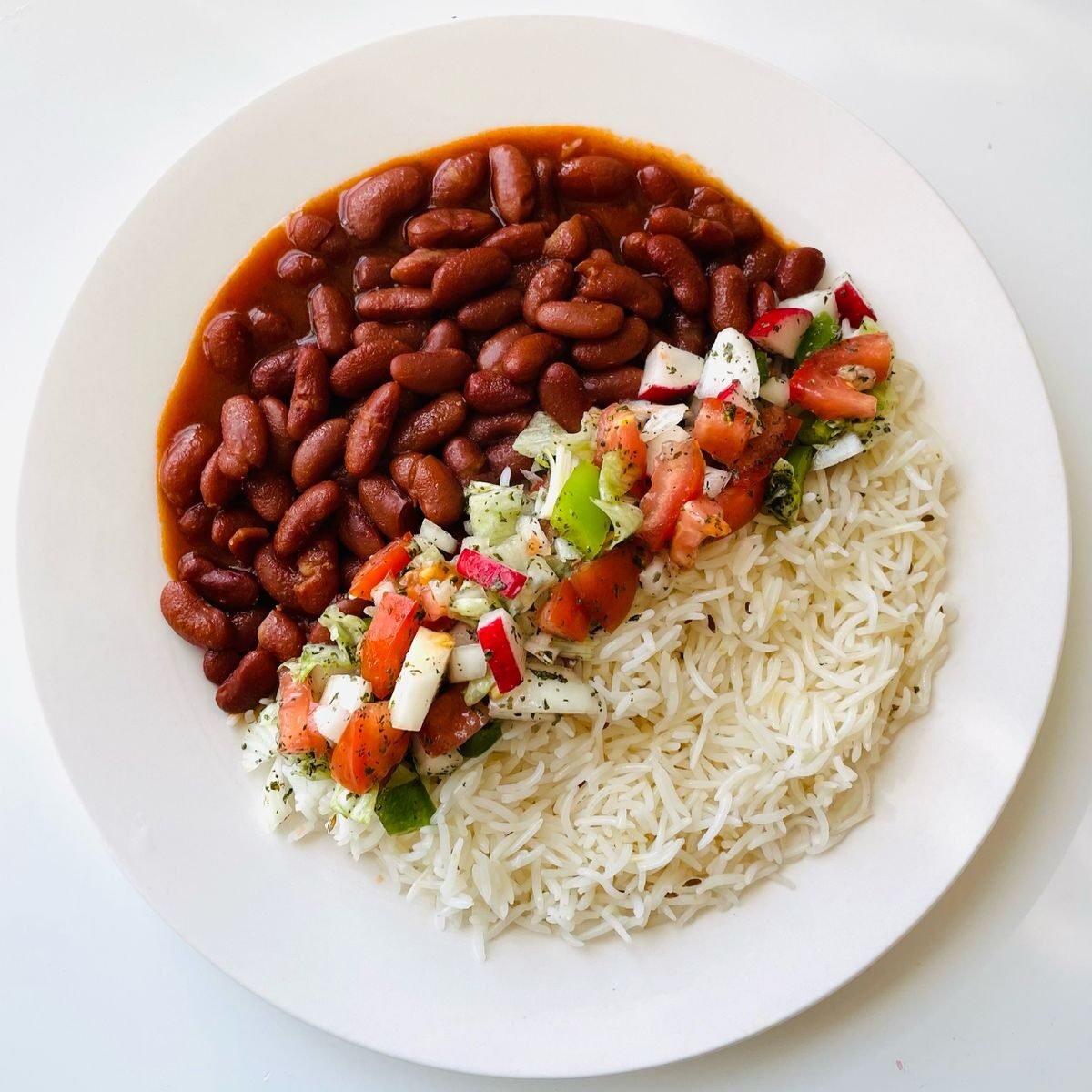
Dried red kidney beans (rajma)Cheaper than tinned, and they roughly double in volume once cooked. Soak overnight. (The photo shows mixed beans; the recipe uses red kidney beans.)

Long-grain riceStretches any stew and stores for months. Serve it under the red beans.

CornmealThe base of the skillet cornbread. Makki ka atta works for a coarser bread.

Bone-in chicken thighs or legsCheaper than breasts, harder to dry out, and the bones flavour the broth for chicken and dumplings.

OnionPart of the savoury base for the beans, the stew and the meatloaf.

CeleryWith onion and green pepper, the classic base for Louisiana red beans and the chicken stew.

Green bell pepper (capsicum)The third part of the savoury base for red beans and rice.

Smoked paprika (or smoked sausage)A small amount seasons a whole pot of beans. Smoked sausage does the same job if your budget allows.

GarlicGoes into the beans, the stew and the meatloaf.

Bay leavesSimmered in the beans and the chicken stew.
Dried thymeThe herb that ties the stew, beans and meatloaf together.

CarrotsSliced into the chicken stew, and grated into the meatloaf to keep it moist.

Plain flour (maida)For the dumplings and part of the cornbread.

Baking powderMakes the dumplings light and helps the cornbread rise. Check it is fresh.

ButterCold butter for the dumplings; melted butter for the cornbread and greasing the skillet.

ButtermilkGives the cornbread a tender crumb and a gentle tang.

EggsBind the meatloaf and the cornbread.

MilkFor the dumpling dough and to soak the bread for the meatloaf.

Minced meat (keema)Beef, chicken or mutton all work for the meatloaf.

Stale breadTorn and soaked in milk, it keeps the meatloaf soft and stretches the meat.

KetchupMixed into the meatloaf and brushed on top as a glaze.

Spring onionsSliced over the red beans and rice to serve.
Pantry staples to keep on hand: plain flour and baking powder (for dumplings and cornbread), tinned tomatoes, garlic, bay leaves, dried thyme, paprika, black pepper, cayenne or chilli powder, and stock cubes or homemade stock in the freezer.
Which recipe should you start with?
| Recipe | Total time | Difficulty | Cost per serving | Best for |
|---|---|---|---|---|
| Red beans and rice | ~3 hrs (plus overnight soak) | Easy | Lowest | Batch cooking, freezing |
| Skillet cornbread | 30 mins | Easy | Low | A side for beans or stew |
| Budget meatloaf | ~1½ hrs | Easy | Medium | Sunday dinner, sandwiches next day |
| Chicken and dumplings | ~1 hr 20 mins | Medium | Medium | A one-pot family meal |
If you’re new to this style of cooking, start with red beans and rice and a pan of cornbread. Together they make a complete, filling meal from the cheapest ingredients in the list.
Red beans and rice: what to watch for
The texture you want is creamy, not soupy: soft beans in a thick, smoky sauce that clings to the rice. The creaminess comes from mashing a ladleful of cooked beans into the pot near the end.
One thing worth knowing: dried kidney beans must be boiled hard for at least 10 minutes before you turn them down to a simmer. Undercooked kidney beans can make people ill, so don’t skip this step, and don’t put raw soaked beans straight into a slow cooker.
A common mistake is salting too early and stopping too soon. Cook until a bean squashes easily between your fingers, then season.
Skillet cornbread: what to watch for
Cornbread should be golden and crisp at the edges, tender inside and slightly crumbly. The crisp edge comes from pouring the batter into a skillet that’s already hot from the oven. You should hear it sizzle.
A common mistake is beating the batter smooth. Stir only until the flour disappears; overmixing makes it tough and dense. No buttermilk? Stir a tablespoon of lemon juice or vinegar into ordinary milk and leave it for 5 minutes.
Budget meatloaf: what to watch for
A good meatloaf is juicy, holds together when sliced, and has a sticky, slightly caramelised ketchup top. Soaked stale bread is what keeps it moist, and it’s a cheap way to stretch the meat. Grated carrot, rolled oats or cooked lentils can replace up to a quarter of the meat.
Mix gently. Squeezing and overworking the mince gives a dense, rubbery loaf. And always rest it for 10 minutes before slicing, or it crumbles.
Is it cooked? The most reliable test is a meat thermometer: 71°C (160°F) in the centre for beef or mutton mince, 74°C (165°F) for chicken.
Chicken and dumplings: what to watch for
The stew should be savoury and lightly thickened, with dumplings that are puffed and fluffy all the way through. Bone-in thighs give the broth its flavour and stay tender during the long simmer.
The one rule for dumplings: once they’re in, cover the pot and don’t lift the lid for 15 minutes. The steam cooks the tops. If they’re gummy inside, the dough was overmixed, the stew wasn’t simmering, or the lid came off too early.
The recipes
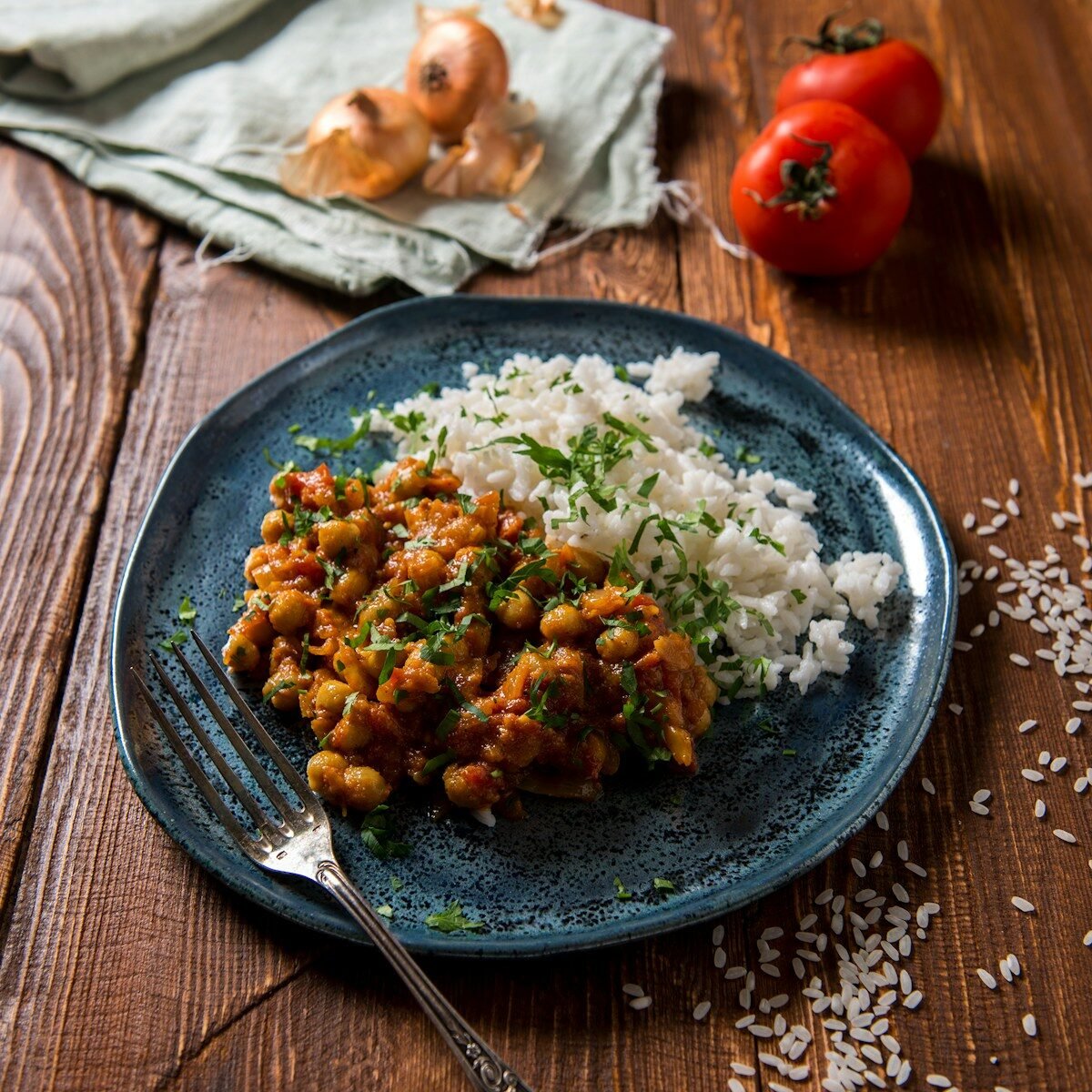
Red Beans and Rice (Budget Louisiana Style)
Ingredients
Method
- Drain and rinse the soaked beans.
- Heat the oil in a large heavy pot. If using sausage, brown it for 4–5 minutes, then lift it out and set aside.
- In the same pot, cook the onion, celery and green pepper over medium heat for 6–8 minutes, until soft and the onion turns translucent. Add the garlic, thyme, paprika and cayenne and stir for 1 minute until fragrant.
- Add the beans, bay leaves and water or stock. Bring to a full, rolling boil and keep it boiling hard for at least 10 minutes. This step is important for food safety with kidney beans.
- Lower the heat, partly cover and simmer for 2 to 2½ hours, stirring now and then and adding hot water if it gets too thick, until the beans are completely soft and squash easily.
- Return the sausage. Mash a ladleful of beans against the side of the pot and stir them in to make the sauce creamy. Season with salt and simmer 10 more minutes.
- Remove the bay leaves and serve over hot rice, topped with spring onions.
Notes

Skillet Cornbread
Ingredients
Method
- Put a 25 cm (10-inch) cast-iron or ovenproof skillet in the oven and heat the oven to 220°C (425°F).
- Whisk the cornmeal, flour, sugar, baking powder, baking soda and salt in a bowl.
- In another bowl, whisk the buttermilk and egg, then stir in the melted butter.
- Pour the wet mix into the dry and stir just until no dry flour shows. A few lumps are fine; overmixing makes cornbread tough.
- Carefully take out the hot skillet, add the tablespoon of butter and swirl. It should sizzle. Pour in the batter.
- Bake for 18–22 minutes, until the top is golden, the edges have pulled away from the pan and a skewer in the centre comes out clean.
- Cool for 5 minutes, then cut into wedges.
Notes
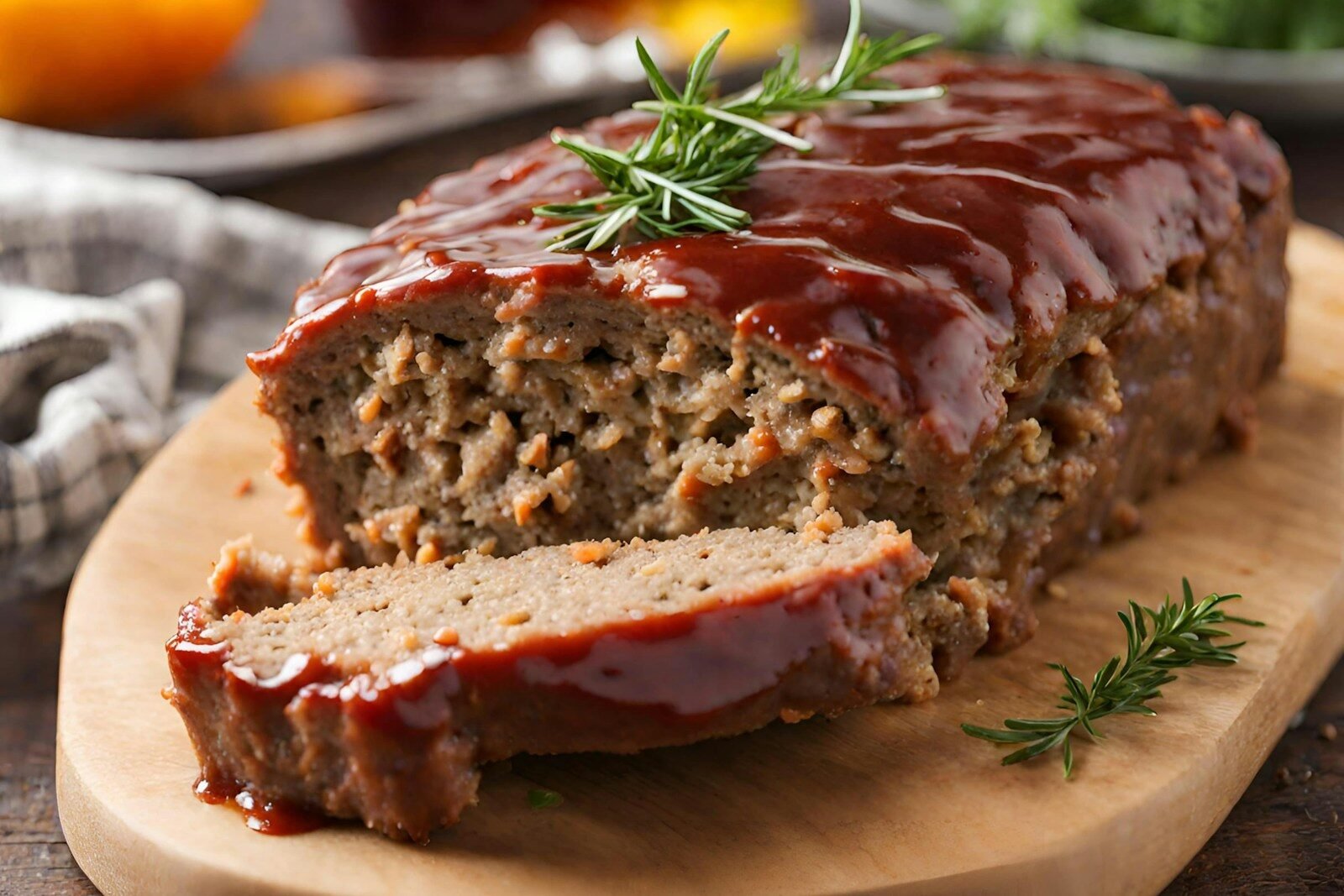
Simple Budget Meatloaf
Ingredients
Method
- Heat the oven to 180°C (350°F) and lightly grease a 23 × 13 cm (9 × 5-inch) loaf tin.
- Soak the bread in the milk for 5 minutes, then mash it into a paste with a fork.
- Add the mince, egg, onion, garlic, salt, pepper, herbs, 2 tbsp ketchup and the carrot, if using. Mix with your hands just until combined; pressing and overworking makes a dense loaf.
- Press the mixture gently into the tin and spread the 4 tbsp ketchup over the top.
- Bake for 55–65 minutes, until the juices run clear and the centre reaches 71°C (160°F) for beef or mutton, or 74°C (165°F) for chicken, on a meat thermometer.
- Rest in the tin for 10 minutes before slicing, so the juices settle.
Notes

Chicken and Dumplings
Ingredients
Method
- Melt the butter in a large, wide pot. Cook the onion, carrot and celery for 5 minutes until the onion softens, then add the garlic for 1 minute.
- Add the chicken, water or stock, bay leaf, thyme and a teaspoon of salt. Bring to a boil, then cover and simmer gently for 35–40 minutes, until the chicken is tender and pulls easily from the bone.
- Lift out the chicken, remove skin and bones, shred the meat and return it to the pot. Stir in the milk or cream, if using, and season to taste. Keep at a steady simmer.
- For the dumplings, mix the flour, baking powder and salt. Rub in the cold butter until it looks like breadcrumbs, then stir in the milk to make a soft, sticky dough. Do not knead.
- Drop rounded tablespoons of dough onto the simmering stew, leaving a little space between them.
- Cover tightly and simmer for 15 minutes without lifting the lid. The dumplings are done when they have puffed up and a toothpick through the centre comes out clean, with no raw dough.
- Serve hot in bowls.
Notes
Substitutions and vegetarian swaps
- Vegetarian red beans: skip the sausage and add an extra teaspoon of smoked paprika.
- Lentil loaf: replace the mince with 2 cups of cooked brown or green lentils and an extra handful of breadcrumbs.
- Dairy-free cornbread: use plant milk with lemon juice and oil instead of butter.
- Cheaper meat: chicken or mutton keema works in the meatloaf; chicken legs work in place of thighs.
Storage and reheating
| Dish | Fridge | Freezer | Reheating tip |
|---|---|---|---|
| Red beans and rice | Up to 3 days | Up to 3 months (beans only) | Add a splash of water; heat until steaming |
| Cornbread | 1–2 days wrapped, room temperature | Up to 2 months | Warm in a low oven or a dry pan |
| Meatloaf | Up to 3 days | Up to 3 months, sliced | Reheat slices covered so they don’t dry out |
| Chicken and dumplings | Up to 3 days | Not ideal: dumplings go soft | Add water; dumplings absorb broth overnight |
Cool leftovers quickly and keep them covered in the fridge. For more detail, the FoodKeeper guidance on FoodSafety.gov is a useful reference.
Ways to stretch every meal
- Cook a big pot of beans or rice and plan two meals around it.
- Turn leftover meatloaf into sandwiches or chop it into a quick pasta sauce.
- Freeze chicken bones and vegetable trimmings for the next batch of stock.
- Bulk out meat with beans, lentils or grated vegetables.
- Freeze single portions so nothing is forgotten in the fridge.
For more habits that cut the grocery bill, read our frugal cooking tips. If you’re in the mood for Indian comfort food, try our Awadhi biryani, Chettinad pepper chicken or the budget-friendly Bihari besan ki sabji. Planning a trip to Texas? Our guide to places to eat in Austin covers the city’s barbecue and comfort-food classics.
Frequently asked questions
Can I make Southern comfort food ahead of time?
Yes. Red beans, meatloaf and chicken and dumplings all reheat well and often taste better the next day. Keep leftovers covered in the fridge for up to 3 days and reheat until steaming hot.
Can I use tinned beans for red beans and rice?
Yes. Use about three 400 g tins, drained, and simmer for 30–40 minutes instead of 2 hours. It costs more than dried beans but saves a lot of time.
Why are my dumplings dense?
Usually the dough was overmixed, the stew wasn’t at a steady simmer when they went in, or the lid was lifted during cooking.
Which dish is cheapest to start with?
Red beans and rice. It needs only dried beans, rice and a few vegetables, and one pot feeds six.
Are there vegetarian options?
Cornbread is already vegetarian, red beans work without sausage, and a lentil loaf replaces meatloaf.
Ingredient photos via Wikimedia Commons: Bean appreciator (CC0); cookbookman17 (CC BY 2.0); Popo le Chien (CC BY-SA 3.0); gran (CC BY 3.0); McKay Savage from London, UK (CC BY 2.0); Chuck Spidell (CC BY 3.0); Nikodem Nijaki (CC BY-SA 3.0); Ljiljana Sundać (CC BY-SA 4.0); Fumikas Sagisavas (CC0); Sonja Pauen (Public domain); Daniel78 (CC BY-SA 3.0); domdomegg (CC BY 4.0); Veganbaking.net from USA (CC BY-SA 2.0); Rainer Z … (CC BY-SA 3.0); Salicyna (CC BY-SA 4.0); Ukko-wc (CC BY-SA 3.0); George Chernilevsky (CC BY-SA 4.0); Stefan Kühn (CC BY-SA 3.0); No machine-readable author provided. Rainer Zenz assumed (based on copyright claims). (CC BY-SA 3.0); Saral Shots (CC0); Famartin (CC BY-SA 4.0); Judethedeus (CC0).